
Introduction
The digital marketing world changes faster than most businesses can keep up. New social media platforms emerge, algorithms shift overnight, and what worked last month might not work today. For business owners and marketing teams, staying ahead feels like running on a treadmill that keeps speeding up.
Professional training in online marketing and social media isn't just about learning the basics anymore. It's about building a sustainable competitive advantage that grows with your business. Companies that invest in structured marketing education see measurable improvements in customer engagement, brand visibility, and ultimately, their bottom line.
The challenge isn't whether digital marketing matters. Everyone knows it does. The real question is how to develop the skills and strategies that actually move the needle for your specific business goals.
This guide explores the concrete benefits of enrolling in an online marketing and social media course. We'll look at how professional training transforms marketing efforts from guesswork into data-driven strategy. You'll discover how the right education builds capabilities that reduce costs, increase efficiency, and create lasting competitive advantages.
Whether you're a small business owner wearing multiple hats or part of a larger marketing team, understanding these benefits helps you make informed decisions about your professional development. The investment in marketing education pays dividends long after the course ends, creating a foundation for sustainable growth in an increasingly digital marketplace.
Understanding Online Marketing and Social Media Course Fundamentals
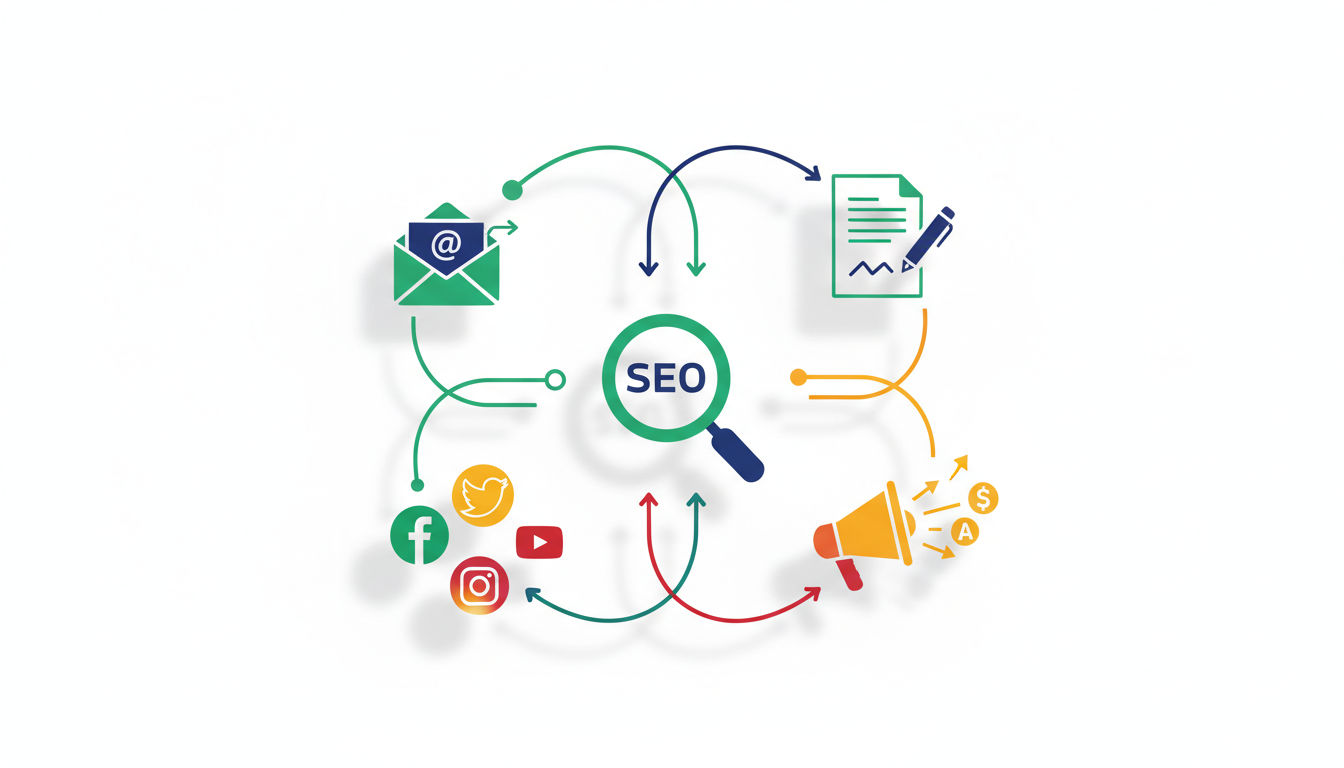
A comprehensive digital marketing course covers far more than just posting on Facebook or sending emails. Quality programs integrate multiple disciplines into a cohesive framework that mirrors real-world marketing challenges. This holistic approach ensures students understand how different channels work together rather than treating them as isolated tactics.
Core curriculum typically includes search engine optimization, content marketing, email campaigns, paid advertising, and social media strategy. Each component builds on the others, creating a complete picture of how modern marketing ecosystems function. For example, understanding SEO helps you create better social media content, while email marketing knowledge improves your paid advertising retargeting strategies.
The best courses balance theoretical frameworks with hands-on application. Theory provides the "why" behind marketing decisions, explaining consumer psychology, brand positioning, and strategic planning. But theory alone doesn't prepare you for real campaigns. Practical exercises using actual marketing tools and platforms bridge the gap between knowing and doing.
Social media training programs deserve special attention within broader marketing education. Each platform operates differently, with unique audience demographics, content formats, and engagement patterns. A quality course doesn't just teach you to use Instagram or LinkedIn. It teaches you to analyze which platforms align with your business goals and how to optimize content for each environment.
Integration between theory and practice matters more than most people realize. You might learn about the marketing funnel concept in theory, then immediately apply it by creating a multi-platform campaign that guides prospects from awareness to conversion. This immediate application reinforces learning and builds confidence.
Many Montreal businesses discover that structured courses reveal gaps in their current marketing approach. What seemed like a comprehensive strategy often has missing pieces that limit effectiveness. Professional training illuminates these blind spots and provides frameworks to address them systematically.
The fundamentals also include understanding marketing technology and analytics platforms. Modern marketers need comfort with data analysis, A/B testing, and performance tracking. These technical skills transform marketing from an art into a science, where decisions are based on evidence rather than intuition alone.
Quality programs also address the business side of marketing, including budgeting, resource allocation, and stakeholder communication. Marketing doesn't exist in a vacuum. It needs to align with broader business objectives and demonstrate clear value to leadership. Understanding this context separates effective marketers from those who simply execute tactics without strategic direction.
Enhanced Digital Marketing Strategy Development

Building data-driven marketing campaigns starts with understanding what data actually matters. Too many businesses drown in metrics without extracting meaningful insights. Professional training teaches you to identify key performance indicators that directly connect to business objectives rather than vanity metrics that look impressive but don't drive growth.
Customer journey mapping transforms how you think about marketing touchpoints. Instead of viewing each interaction as isolated, you see the complete path prospects take from first awareness to final purchase and beyond. This perspective reveals opportunities to guide customers more effectively through each stage, addressing specific needs and concerns at the right moments.
A well-mapped customer journey identifies pain points where prospects typically drop off. Maybe your social media ads attract attention, but your landing page doesn't convert. Or perhaps email subscribers engage with content but never make purchases. Understanding these patterns allows you to optimize specific touchpoints rather than making broad, unfocused changes.
Competitive analysis becomes more sophisticated with proper training. You move beyond simply observing what competitors post on social media to understanding their complete strategic positioning. What audience segments are they targeting? How do they differentiate their messaging? Where are the gaps in their approach that your business could fill?
Market positioning strategy requires clarity about what makes your business unique. Many companies struggle to articulate their distinctive value beyond generic claims about quality or service. Strategic training helps you identify genuine differentiators and communicate them effectively across all marketing channels.
Data-driven decision making doesn't mean ignoring creativity. Instead, it means testing creative approaches systematically to identify what resonates with your specific audience. You might develop three different ad concepts, test them with small budget allocations, then scale the winner. This approach reduces risk while maximizing creative impact.
Strategic development also involves resource optimization. With limited budgets and time, you need frameworks for prioritizing initiatives that deliver the highest return. Training provides decision-making models that help you evaluate opportunities objectively rather than chasing every new platform or trend that emerges.
Quick question
Want to turn this into a real plan?
If you want expert help with strategy, design, development, marketing, or automation — we’ll recommend the fastest path forward for your goals.
The integration of online and offline marketing strategies matters for businesses with physical locations or in-person services. Your digital presence should reinforce and extend your offline brand experience, creating consistency that builds trust and recognition across all customer touchpoints.
Mastering Social Media Platform Expertise

Each social media platform operates as its own ecosystem with distinct characteristics. Instagram prioritizes visual storytelling and lifestyle content, while LinkedIn focuses on professional insights and industry expertise. Understanding these nuances prevents the common mistake of posting identical content across all platforms, which rarely performs well anywhere.
Platform-specific strategies start with audience analysis. Who actually uses each platform, and what are they looking for when they log in? Facebook users often seek community and connection with brands they already know. TikTok users want entertaining, authentic content that doesn't feel overly polished or corporate.
Algorithm understanding separates effective social media marketers from those who struggle with reach. Platforms use complex systems to determine which content gets shown to users. While algorithms constantly evolve, core principles remain consistent: engagement signals matter, timing affects visibility, and content format preferences shift based on platform priorities.
Content optimization for each platform involves more than just resizing images. It requires understanding ideal post lengths, optimal posting times, hashtag strategies, and format preferences. A video that performs excellently on Instagram Reels might need completely different editing and pacing for YouTube Shorts or TikTok.
The paid advertising versus organic reach debate has shifted dramatically in recent years. Organic reach on most platforms has declined as they prioritize paid promotion. However, organic content still plays a crucial role in building community, establishing credibility, and supporting paid campaigns. The most effective strategies integrate both approaches strategically.
Paid social advertising offers unprecedented targeting capabilities. You can reach specific demographics, interests, behaviors, and even people who have visited your website. But this power requires knowledge to use effectively. Poor targeting wastes budget, while sophisticated audience segmentation maximizes return on ad spend.
Professional training teaches you to read platform analytics dashboards and extract actionable insights. High impression counts mean nothing if engagement rates are low. Strong engagement without conversions suggests a disconnect between your content and your business objectives. Understanding these relationships helps you optimize continuously.
Community management skills often get overlooked in social media education, but they're essential for building lasting audience relationships. How you respond to comments, handle complaints, and engage with followers shapes brand perception as much as your posted content. Training provides frameworks for professional, effective community interaction that strengthens rather than damages your reputation.
Measurable ROI and Performance Tracking

Analytics and reporting capabilities transform marketing from a cost center into a revenue driver. When you can demonstrate exactly how marketing activities contribute to business growth, securing budget and resources becomes significantly easier. Professional training teaches you to build reporting systems that clearly communicate value to stakeholders.
Key performance indicators vary based on business objectives and campaign goals. An awareness campaign might focus on reach and impression metrics, while a conversion campaign prioritizes click-through rates and cost per acquisition. Understanding which metrics matter for each situation prevents the confusion that comes from tracking everything without prioritizing anything.
Conversion tracking connects marketing activities to actual business outcomes. You can see not just how many people clicked your ad, but how many became customers and how much revenue they generated. This visibility allows you to calculate true return on investment rather than relying on indirect indicators of success.
Attribution modeling addresses one of marketing's biggest challenges: understanding which touchpoints deserve credit for conversions. Customers rarely convert on their first interaction with your brand. They might see a social media ad, visit your website, read some blog posts, receive emails, and then finally make a purchase. Attribution models help you understand how each touchpoint contributes to the final conversion.
Converting metrics into actionable insights requires analytical thinking beyond just reading numbers. If your email open rates drop, is it subject line issues, sending time problems, or list quality degradation? If social media engagement increases but website traffic doesn't, what does that reveal about your content strategy or call-to-action effectiveness?
Dashboard creation skills help you monitor performance efficiently without drowning in data. A well-designed dashboard highlights the metrics that matter most, shows trends over time, and makes anomalies immediately visible. This allows you to identify and address issues quickly rather than discovering problems weeks after they begin.
Benchmarking against industry standards provides context for your performance. A 2% conversion rate might seem low until you learn that your industry average is 1.5%. Or a metric you considered acceptable might actually indicate significant underperformance compared to competitors. Training provides access to benchmark data and frameworks for meaningful comparisons.
Regular reporting cycles create accountability and drive continuous improvement. Monthly or quarterly reviews of marketing performance identify trends, reveal what's working, and highlight areas needing adjustment. This systematic approach prevents the drift that occurs when marketing runs on autopilot without regular evaluation and optimization.
Cost-Effective Marketing Education for Teams

Reducing dependency on external agencies starts with building internal capabilities. While agencies provide valuable expertise, relying entirely on outside partners creates several challenges. Response times slow down, costs accumulate quickly, and your team never develops the knowledge needed to make informed marketing decisions independently.
In-house marketing capabilities offer flexibility that agency relationships often can't match. When you need to adjust a campaign quickly based on market changes or test a new idea, internal teams can move immediately. This agility becomes increasingly valuable in fast-moving markets where timing makes the difference between capturing opportunities and missing them.
Training existing team members often proves more cost-effective than hiring experienced marketers at premium salaries. A motivated employee who understands your business deeply can become highly effective with proper education. This approach also improves retention, as employees value professional development opportunities that advance their careers.
Long-term cost savings compound over time as your team's capabilities expand. Instead of paying agencies for every campaign adjustment or new initiative, you handle more work internally. The initial investment in training pays for itself multiple times over as you reduce ongoing agency fees and retainers.
Building a marketing-literate organization extends beyond dedicated marketing staff. When sales teams understand digital marketing principles, they can better leverage marketing materials and provide valuable feedback on campaign effectiveness. When leadership understands marketing metrics, they make more informed strategic decisions about resource allocation.
Cross-functional collaboration improves when multiple team members share marketing knowledge. Product development benefits from understanding customer insights gathered through social media. Customer service becomes more effective when representatives understand the brand messaging and value propositions communicated through marketing campaigns.
The Montreal business community increasingly recognizes that marketing expertise represents a competitive advantage that can't be easily outsourced. Companies that develop strong internal capabilities respond faster to market changes, maintain better brand consistency, and build institutional knowledge that persists even when individual employees leave.
Efficiency gains extend beyond cost savings to include faster execution, better quality control, and improved strategic alignment. When your team deeply understands both your business and marketing best practices, they make better decisions at every level, from daily social media posts to major campaign launches.
Staying Current with Industry Trends
Adapting to algorithm changes and platform updates requires ongoing attention that many busy business owners struggle to maintain. Social media platforms constantly adjust their algorithms to improve user experience and increase engagement. What worked brilliantly six months ago might deliver disappointing results today if you haven't adapted to these changes.
Professional development programs often include ongoing access to updated content and community forums where practitioners share insights about recent changes. This continuous learning environment helps you stay informed without spending hours each week researching updates across multiple platforms and marketing channels.
Emerging technologies reshape marketing possibilities regularly. Artificial intelligence now powers chatbots, content recommendations, and predictive analytics. Augmented reality creates new ways to showcase products. Voice search changes how people find information online. Understanding these technologies early allows you to evaluate their relevance to your business before competitors gain first-mover advantages.
Marketing tools evolve rapidly, with new platforms launching and existing ones adding features constantly. Email marketing platforms now include sophisticated automation and personalization capabilities. Social media management tools offer AI-powered content suggestions and optimal posting time recommendations. Staying current with these tools helps you work more efficiently and effectively.
Future-proofing your marketing approach means building adaptable strategies rather than rigid plans. Instead of committing entirely to a single platform or tactic, diversified approaches spread risk and create flexibility. When one channel's effectiveness declines, you have other established channels to maintain your marketing momentum.
Industry trends often emerge from shifts in consumer behavior rather than just technology changes. The growing preference for authentic, behind-the-scenes content over polished advertising reflects changing audience expectations. Understanding these behavioral trends helps you adjust your content strategy to match what audiences actually want to see.
Professional networks built through training programs provide valuable trend intelligence. When you're connected with other marketing professionals, you hear about emerging platforms and tactics before they become mainstream. This early awareness creates opportunities to experiment and establish presence while competition remains low.
The pace of change in digital marketing makes continuous education essential rather than optional. A course completed today provides a foundation, but maintaining effectiveness requires ongoing learning through webinars, industry publications, and professional communities. Quality training programs recognize this reality and provide resources for continued development beyond initial coursework.
Building Brand Authority and Online Presence
Content creation and storytelling techniques transform businesses from faceless entities into relatable brands with distinct personalities. People connect with stories far more than they connect with product specifications or service descriptions. Learning to craft compelling narratives around your business, customers, and values creates emotional connections that drive loyalty and word-of-mouth referrals.
Effective storytelling in marketing doesn't mean fabricating dramatic tales. It means highlighting the real human elements of your business: why you started it, how you help customers overcome challenges, what values guide your decisions. These authentic stories differentiate your brand in crowded markets where competitors offer similar products or services.
Community engagement goes beyond responding to comments and messages. It involves actively participating in conversations, providing value without expecting immediate returns, and building genuine relationships with your audience. This approach creates advocates who promote your brand organically because they genuinely appreciate your contributions to the community.
Reputation management has become increasingly important as online reviews and social media comments shape public perception. A single negative experience shared online can reach thousands of potential customers. Professional training teaches you to monitor your online reputation systematically and respond to both positive and negative feedback in ways that strengthen rather than damage your brand image.
Establishing thought leadership positions your business as a trusted authority in your industry. This involves consistently sharing valuable insights, educating your audience, and contributing to industry conversations. Thought leadership attracts customers who specifically seek out experts rather than simply comparing prices among generic providers.
Next step
Ready for a quote and timeline?
Send a quick note with what you’re building, your deadline, and what success looks like — we’ll reply with clear next steps.
Content consistency across platforms reinforces brand recognition and trust. Your visual identity, messaging tone, and core values should remain recognizable whether someone encounters your brand on Instagram, your website, or LinkedIn. This consistency doesn't mean posting identical content everywhere, but rather maintaining a cohesive brand presence adapted appropriately for each platform.
User-generated content and customer testimonials provide social proof that strengthens credibility more effectively than self-promotion. Encouraging satisfied customers to share their experiences and showcasing these stories demonstrates real-world value. Training teaches you to gather and leverage this content ethically and effectively.
Long-term brand building requires patience and consistent effort that many businesses struggle to maintain. The pressure for immediate results often leads to constantly changing strategies that never gain traction. Professional education helps you understand that brand authority develops over months and years of consistent, valuable presence rather than through viral moments or shortcuts.
Choosing the Right Marketing Education Path
Evaluating digital marketing courses requires looking beyond flashy marketing claims to assess actual curriculum quality and instructor expertise. Many programs promise to make you a marketing expert in weeks, but genuine competency requires substantial time and practice. Look for courses that set realistic expectations and provide comprehensive coverage of core topics rather than just trendy tactics.
Instructor credentials matter significantly. Courses taught by practitioners with real-world experience offer insights that purely academic programs often miss. Look for instructors who currently work in digital marketing or run successful businesses, not just those who teach theory without practical application.
Certification programs provide structured learning paths and credentials that demonstrate your knowledge to employers or clients. However, certifications vary widely in value and recognition. Research which certifications are respected in your industry before investing time and money. Some carry significant weight, while others are essentially participation certificates with little practical value.
Self-paced learning offers flexibility that works well for busy professionals who can't commit to scheduled classes. However, this format requires strong self-discipline and motivation. Without deadlines and accountability, many people start self-paced courses enthusiastically but never complete them. Consider your learning style honestly when choosing between self-paced and structured programs.
Matching training to business objectives ensures your education investment directly supports your goals. A local service business needs different marketing skills than an e-commerce company or B2B software provider. Look for programs that address your specific business model and industry rather than generic courses that try to cover everything superficially.
Course format considerations include live instruction versus recorded videos, group projects versus individual assignments, and ongoing support versus time-limited access. Each format offers different benefits. Live instruction provides immediate feedback and networking opportunities. Recorded content offers flexibility but less interaction. Consider which format best supports your learning preferences and schedule constraints.
Investment evaluation should consider both direct costs and opportunity costs. A free course might seem attractive, but if it requires 100 hours to complete and delivers limited value, your time might be better spent on a paid program that's more focused and effective. Calculate the true cost including your time, not just the registration fee.
Many Montreal businesses benefit from programs offered by local institutions or professional development services that understand regional market dynamics. While online learning provides access to global expertise, local context matters for businesses serving specific geographic markets. Balancing broad marketing principles with local market understanding creates the most effective education experience.
Conclusion
The benefits of online marketing and social media course education extend far beyond simply learning to post on social platforms or run ad campaigns. Professional training transforms how you think about customer relationships, business growth, and competitive positioning in digital spaces. These skills become increasingly valuable as more business activity shifts online and consumer expectations for digital experiences continue rising.
Investing in marketing education builds capabilities that compound over time. The frameworks and strategies you learn apply across changing platforms and evolving technologies. While specific tactics become outdated, the underlying principles of understanding audiences, creating value, and measuring results remain relevant regardless of which new platforms emerge or which algorithms change.
The most successful businesses view marketing education as an ongoing commitment rather than a one-time event. Initial training provides the foundation, but maintaining effectiveness requires continuous learning and adaptation. Building this learning mindset throughout your organization creates a sustainable competitive advantage that competitors can't easily replicate.
For businesses ready to strengthen their digital marketing capabilities, the next step involves evaluating your current skills honestly and identifying specific gaps that training could address. Consider which team members would benefit most from professional development and how improved marketing capabilities align with your broader business objectives.
Whether you choose to develop skills internally through training or partner with experienced professionals who bring established expertise, the important decision is to prioritize marketing excellence as a strategic business investment. The digital landscape will continue evolving, but businesses with strong marketing foundations will adapt and thrive regardless of specific platform changes or algorithm updates.
Ready to elevate your digital marketing capabilities and build a stronger online presence? Explore our comprehensive digital marketing services designed specifically for businesses looking to grow through strategic online marketing. Our team combines technical expertise with practical business understanding to deliver results that matter. Contact us today to discuss how professional marketing support can accelerate your business growth, or view our portfolio to see examples of successful campaigns we've developed for clients across various industries.