
Introduction
When someone in Montreal searches for a restaurant, plumber, or dentist, they're looking for businesses nearby. If your company doesn't appear in those local search results, you're invisible to potential customers actively seeking your services.
Local SEO has become essential for Montreal businesses competing in Quebec's unique bilingual market. Unlike general SEO that targets broad audiences, local search optimization focuses on connecting you with customers in your immediate geographic area. For Montreal companies, this means appearing when someone searches "near me" or includes neighborhood names like Plateau, Westmount, or Mile End.
The stakes are high in Montreal's competitive digital landscape. Your competitors are already investing in their online visibility. Businesses that ignore local SEO lose customers to competitors who rank higher in Google Maps and local search results. Meanwhile, companies that master local optimization see increased foot traffic, phone calls, and online conversions.
Montreal presents unique opportunities and challenges. The city's bilingual nature means businesses must optimize for both French and English searches. A customer might search "plombier Montréal" or "Montreal plumber," and your business needs visibility for both. This linguistic complexity sets Montreal apart from other Canadian markets.
This guide covers everything Montreal businesses need to know about local SEO strategy. You'll learn how to optimize your Google Business Profile, research local keywords, build citations, create location-focused content, and measure success. Whether you run a retail store, professional service, or restaurant, these strategies will help you attract more local customers.
We'll explore practical, actionable techniques you can implement immediately. Some require minimal technical knowledge, while others benefit from professional expertise. By the end, you'll understand how to make your business more visible to Montreal customers searching for what you offer.
Understanding Local SEO in Montreal's Unique Market

Local SEO montreal refers to the practice of optimizing your online presence to attract customers from specific geographic searches. When someone searches "coffee shop Plateau" or "avocat près de moi," search engines use local ranking factors to determine which businesses appear. These factors differ significantly from traditional SEO.
Local search optimization combines several core components. Your Google Business Profile serves as your digital storefront. Online reviews build trust and influence rankings. Citations across directories establish your business legitimacy. Location-specific content on your website signals relevance to local searches. Together, these elements tell Google your business serves Montreal customers.
Montreal's bilingual reality creates both challenges and advantages. Businesses that optimize for French and English searches effectively double their potential reach. A unilingual approach leaves money on the table. Consider that some neighborhoods lean heavily French while others skew English. West Island residents might search in English, while Rosemont customers often search in French.
The competitive landscape in Montreal demands strategic local SEO. Major cities like Montreal have more businesses competing for attention than smaller markets. Your restaurant doesn't just compete with nearby restaurants. You compete with every dining option customers might consider. Strong local SEO helps you stand out when it matters most, at the moment someone decides where to eat.
Quebec businesses face unique considerations beyond language. Provincial regulations, cultural preferences, and local search behaviors differ from other Canadian markets. Montreal customers value businesses that understand local culture. Your optimization strategy should reflect this reality through culturally relevant content and proper French language implementation.
Local search matters because customer behavior has fundamentally changed. Mobile devices mean people search on the go. Someone walking through Old Montreal might search for nearby attractions or restaurants. If your business doesn't appear, they'll never know you exist. Google reports that 76% of people who search for something nearby visit a business within 24 hours.
The financial impact of local SEO can transform businesses. Higher visibility leads directly to more customers. Unlike paid advertising that stops when you stop paying, local SEO builds lasting visibility. A well-optimized business continues attracting customers month after month. For Montreal businesses, this sustained visibility proves especially valuable in competitive industries.
Understanding local ranking factors helps prioritize your efforts. Google considers distance from the searcher, prominence of your business, and relevance to the search query. You can't change your location, but you can improve prominence through reviews and citations. You control relevance through keyword optimization and content creation.
Google Business Profile Optimization for Montreal
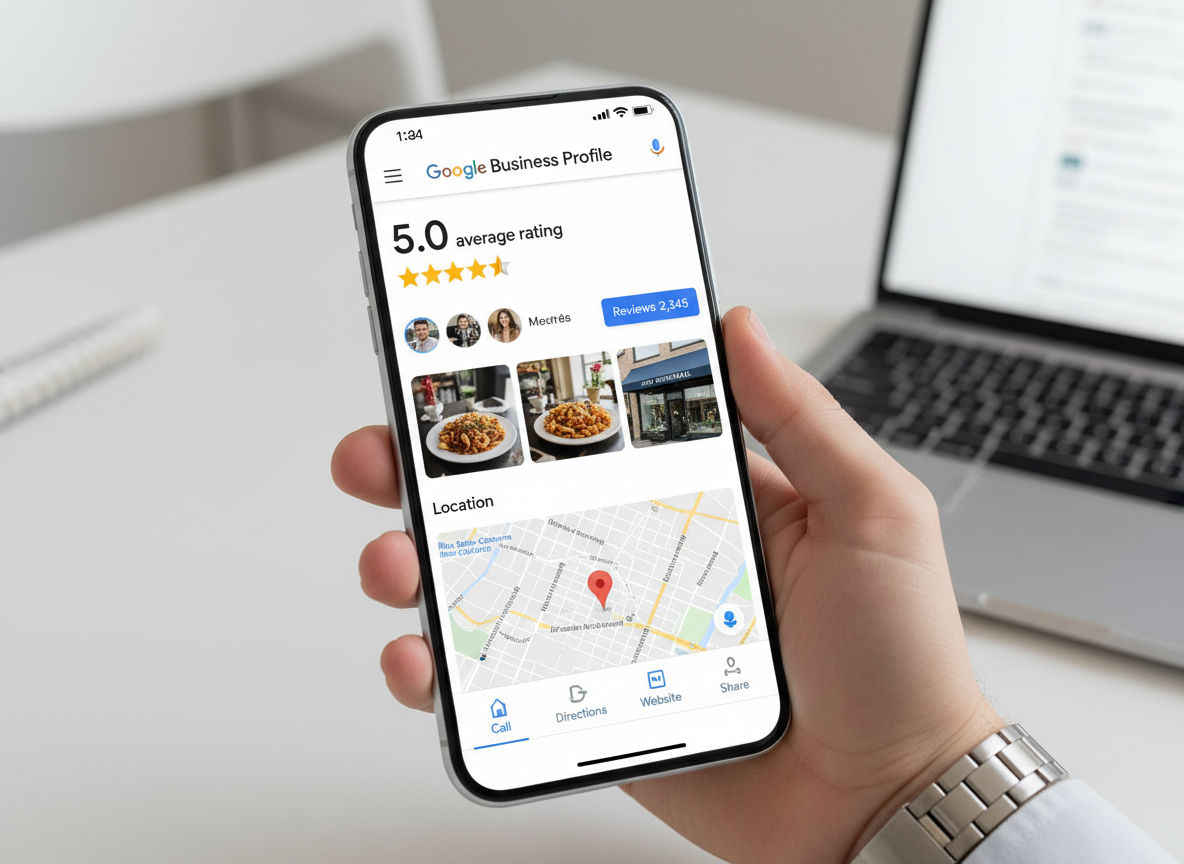
Your Google Business Profile represents your most important local SEO asset. This free tool controls how your business appears in Google Maps and local search results. Most customers encounter your profile before visiting your website. An incomplete or poorly optimized profile costs you customers daily.
Start by claiming and verifying your business if you haven't already. Visit google.com/business and follow the verification process. Google typically mails a postcard with a verification code to your business address. This step proves you legitimately operate at your claimed location. Without verification, your profile remains limited and less visible.
Complete every section of your profile thoroughly. Add your exact business name, address, and phone number. Choose the most specific business categories that describe what you do. A restaurant should select cuisine types, not just "restaurant." More specific categories help Google match your business to relevant searches.
For Montreal businesses, bilingual optimization matters tremendously. Add your business description in both French and English. Google allows you to set a primary language and add translations. Include relevant keywords naturally, describing what makes your business unique. Mention your neighborhood, specialties, and what customers love about you.
Business hours deserve careful attention. Keep them updated, especially during holidays. Montreal customers won't visit if your profile shows incorrect hours. Add special hours for holidays like Saint-Jean-Baptiste or Canada Day. Consider adding "more hours" details if you have different hours for specific services.
Photos dramatically impact customer decisions. Businesses with photos receive 42% more requests for directions and 35% more clicks to their websites. Upload high-quality images of your storefront, interior, products, and team. Update photos regularly to show your business stays active and current. Include images that represent Montreal's character and your neighborhood's atmosphere.
Google Posts function like social media updates within your profile. Share news, offers, events, and updates. Posts appear directly in search results and Google Maps, giving you free advertising space. Create posts in both languages to reach your entire audience. Mention seasonal promotions, new products, or community involvement.
Quick question
Want to turn this into a real plan?
If you want expert help with strategy, design, development, marketing, or automation — we’ll recommend the fastest path forward for your goals.
Reviews represent critical ranking factors and trust signals. Encourage satisfied customers to leave reviews. Respond to every review, positive or negative, in the language the customer used. Thank French reviewers in French and English reviewers in English. Professional, thoughtful responses show potential customers you value feedback.
Negative reviews require careful handling. Respond promptly and professionally, never defensively. Acknowledge concerns, apologize if appropriate, and offer to resolve issues offline. Many potential customers read how you handle criticism. Graceful responses to negative reviews can actually build trust.
The Questions and Answers section lets you preemptively address common questions. Add your own questions and answers about parking, accessibility, payment methods, or bilingual service. Answer customer questions quickly and thoroughly. This section appears prominently in your profile and influences customer decisions.
Attributes help customers find businesses matching their needs. Select all relevant attributes like "wheelchair accessible," "outdoor seating," or "free Wi-Fi." Montreal customers often filter searches by attributes. Missing attributes means missing customers who specifically want what you offer.
Keep your profile updated constantly. Add holiday hours weeks in advance. Update photos seasonally. Create posts regularly. Google rewards active profiles with better visibility. Set a reminder to review your profile monthly, ensuring all information remains accurate and current.
Local Keyword Research and Implementation

Effective local SEO montreal begins with understanding what customers actually search. Keyword research reveals the exact phrases people type when looking for businesses like yours. Without this research, you're optimizing for terms nobody uses.
Start with obvious location modifiers. Combine your service with "Montreal," neighborhood names, and nearby landmarks. A bakery should research "bakery Montreal," "boulangerie Plateau," "pastries Mile End," and similar variations. Create a spreadsheet listing every relevant combination.
Long-tail keywords often deliver better results than broad terms. Instead of just "restaurant Montreal," consider "family-friendly Italian restaurant Verdun" or "romantic dinner spot Old Montreal." These longer phrases have less competition and attract customers with specific intent. Someone searching "emergency plumber Westmount Sunday" has immediate need and high conversion potential.
Bilingual keyword strategies require researching both languages separately. Don't simply translate English keywords to French. Search behavior differs between languages. French speakers might use different terms or phrasing. Use Google's Keyword Planner for both languages. Check search volume and competition for French and English versions.
Quebec French differs from European French in terminology and spelling. Research specifically Quebec local seo terms, not generic French keywords. A "dépanneur" in Montreal means something different than in France. Local terminology matters for connecting with your audience authentically.
Neighborhood-specific keywords capture high-intent local searches. Research every neighborhood you serve. Someone searching "dentist NDG" wants a dentist in Notre-Dame-de-Grâce specifically. Create content targeting individual neighborhoods, even if you serve multiple areas. This granular approach captures customers others miss.
Competitor analysis reveals keyword opportunities. Examine what keywords successful competitors rank for. Tools like Ahrefs or SEMrush show competitor rankings. Look for gaps where competitors rank but you don't. Also identify keywords where you could realistically outrank them with focused effort.
Search intent matters as much as search volume. Some keywords indicate research intent, while others signal ready-to-buy customers. "How to fix leaky faucet" shows research intent. "Emergency plumber Montreal" indicates immediate need. Prioritize keywords matching your business goals and customer journey stage.
Implement keywords naturally throughout your website. Force-fitting keywords damages readability and hurts SEO. Write for humans first, search engines second. Include your primary keyword in your homepage title, H1 heading, and first paragraph. Use variations and related terms throughout.
Location pages work exceptionally well for businesses serving multiple areas. Create dedicated pages for each neighborhood you serve. Include the neighborhood name in the URL, title tag, H1, and throughout the content. Describe your services specifically for that area. Mention local landmarks and neighborhood characteristics.
Don't keyword stuff. Google's algorithms easily detect unnatural keyword density. Instead, focus on comprehensiveness. Cover topics thoroughly using natural language. Include synonyms, related terms, and conversational phrases. This approach satisfies both search engines and readers.
Track keyword performance over time. Use Google Search Console to see which keywords drive traffic. Monitor rankings for your target terms. Adjust your strategy based on results. Some keywords may prove more valuable than expected, while others underperform despite high search volume.
On-Page SEO for Local Montreal Businesses
On-page optimization controls how search engines understand your website's content. For montreal seo services, on-page factors tell Google you serve Montreal customers. These elements work together to improve your local search visibility.
Title tags represent your most important on-page element. Each page needs a unique, descriptive title under 60 characters. Include your primary keyword and location naturally. Your homepage title might be "Expert Plumbing Services in Montreal | [Business Name]." Service pages should specify the service and location: "Emergency Plumbing Repairs | West Island Montreal."
Meta descriptions don't directly impact rankings but dramatically affect click-through rates. Write compelling 150-160 character descriptions that include your keyword and location. Describe what makes your business unique. Add a call-to-action like "Call today for same-day service" or "Serving Montreal since 1995."
H1 headings should appear once per page and include your target keyword. Make them descriptive and engaging. "Professional Montreal Web Design Services" works better than just "Web Design." Subheadings (H2, H3) organize content and provide additional keyword opportunities. Use them naturally to structure your content logically.
Location-specific content throughout your pages reinforces local relevance. Mention Montreal neighborhoods you serve. Reference local landmarks customers recognize. Describe how you help Montreal businesses specifically. This localization signals to Google that you're genuinely relevant for local searches.
Schema markup provides structured data that helps search engines understand your content. Local business schema tells Google your business name, address, phone number, hours, and more. This markup can trigger rich results in search, like star ratings or business hours appearing directly in results. Implement schema using JSON-LD format in your page code.
Service area markup specifies exactly which areas you serve. For businesses without a physical storefront, or those serving customers at their locations, this schema proves essential. List all Montreal neighborhoods and surrounding areas you cover. This helps Google show your business for searches in those specific areas.
Internal linking connects your pages and distributes ranking power throughout your site. Link from your homepage to service pages. Connect related services to each other. Use descriptive anchor text that includes relevant keywords. A link saying "our Montreal SEO services" works better than "click here."
For businesses with multiple locations, create separate pages for each. Don't duplicate content across location pages. Write unique content describing each location's specific features, staff, and local community involvement. Include unique photos from each location.
Mobile optimization isn't optional for local search. Most local searches happen on mobile devices. Your website must load quickly and function perfectly on smartphones. Google uses mobile-first indexing, meaning it primarily uses your mobile site for ranking. Test your site on various devices regularly.
Page speed impacts both rankings and user experience. Montreal customers won't wait for slow pages to load. Compress images, minimize code, and use browser caching. Tools like Google PageSpeed Insights identify specific improvements. Even small speed improvements can boost conversions significantly.
Contact information should appear consistently throughout your site. Include your full business name, address, and phone number on every page, typically in the footer. Make your phone number clickable for mobile users. Add your address with a link to Google Maps directions.
Create dedicated contact and location pages with detailed information. Embed a Google Map showing your location. Include parking information, public transit directions, and accessibility details. List your hours prominently. For bilingual businesses, provide all information in both languages.
Building Local Citations and Directory Listings

Citations are online mentions of your business name, address, and phone number (NAP). These mentions across directories, websites, and platforms tell Google your business legitimately exists and serves your claimed location. Citation building forms a foundational element of local search optimization.
NAP consistency matters critically. Your business information must match exactly across all platforms. "123 Main Street" on one site and "123 Main St" on another creates inconsistency. Even small variations confuse search engines and weaken your local SEO. Decide on one format and use it everywhere.
Start with major directories that impact local rankings. Google Business Profile comes first, followed by Apple Maps, Bing Places, and Facebook. These platforms drive significant traffic and influence local rankings. Claim and optimize your profile on each, maintaining consistent information.
Quebec and Montreal-specific directories deserve special attention. List your business on quebecvacances.com, Montreal.com, and Tourism Montreal if relevant. Industry associations often maintain directories. The Montreal Chamber of Commerce directory provides valuable local citations. Quebec business registries and local chamber sites build regional relevance.
Industry-specific citations vary by business type. Restaurants should list on Yelp, TripAdvisor, OpenTable, and food blogs. Retailers need Google Shopping and retail directories. Professional services benefit from legal, medical, or professional association directories. Identify directories where your customers actually search.
Bilingual listings require careful management. Some directories allow separate French and English profiles. Others require choosing a primary language. Ensure your business description appears in both languages where possible. French-language directories like PagesJaunes.ca matter significantly for reaching francophone customers.
Building citations takes time but delivers lasting value. Start with high-authority directories, then expand to niche and local sites. Avoid low-quality directories that exist solely for SEO. Focus on directories real customers use. Quality matters more than quantity.
Citation management tools can streamline the process. Services like Moz Local, BrightLocal, or Yext distribute your information across multiple directories simultaneously. These tools also monitor for inconsistencies and duplicate listings. For businesses managing multiple locations, automation saves significant time.
Duplicate listings damage local SEO. Sometimes multiple listings for the same business appear, often with slight variations. Find and merge or delete duplicates. Google Business Profile allows reporting duplicates. For other platforms, contact their support to consolidate listings.
Monitor your citations regularly. Business information changes. You might update your phone number, move locations, or change hours. When changes occur, update every citation. Outdated information frustrates customers and hurts rankings. Set quarterly reminders to audit your citations.
Reviews on citation sites contribute to local SEO. Encourage customers to review your business on relevant platforms beyond just Google. Yelp reviews matter for restaurants. Houzz reviews help contractors. Professional service providers benefit from industry-specific review sites. Respond to reviews across all platforms.
Local news sites and blogs provide powerful citations. Getting mentioned in Montreal Gazette, MTL Blog, or neighborhood publications builds authority. These editorial mentions carry more weight than directory listings. Develop relationships with local journalists and bloggers. Share newsworthy stories about your business.
Content Strategy for Quebec Local SEO
Content marketing for local SEO attracts customers while building search visibility. Montreal-focused content demonstrates local expertise and relevance. Strategic content answers customer questions, addresses local concerns, and establishes your business as a neighborhood authority.
Blog posts targeting local topics capture search traffic. Write about Montreal-specific issues your customers face. A landscaping company might create "Best Plants for Montreal's Climate" or "Preparing Your Garden for Quebec Winters." These topics attract local readers and include natural keyword opportunities.
Neighborhood and district guides showcase your local knowledge. Create detailed pages about each area you serve. Describe neighborhood characteristics, history, and what makes each area special. Explain how your services specifically help residents of that neighborhood. Link these pages from your main service pages.
Bilingual content requires more than translation. Create original content in both French and English, adapted for each audience. Cultural references, humor, and tone may differ between languages. French content should feel natural to francophones, not like translated English. Consider hiring native speakers to create or review content.
Implement hreflang tags if you have separate French and English pages covering the same topic. These tags tell search engines which language version to show users. Proper implementation prevents duplicate content issues while serving the right language to each visitor.
Local news and events provide timely content opportunities. Write about Montreal festivals, seasonal events, or neighborhood developments. Explain how these events relate to your business. A restaurant might create content around Montreal Food Festivals. A retailer could write about holiday shopping in specific neighborhoods.
Customer stories and testimonials create compelling local content. Share success stories from Montreal customers (with permission). Include details about their neighborhood and specific challenges you solved. These stories build trust while naturally incorporating local keywords and demonstrating your community involvement.
Next step
Ready for a quote and timeline?
Send a quick note with what you’re building, your deadline, and what success looks like — we’ll reply with clear next steps.
FAQ pages address common customer questions while targeting long-tail keywords. List questions Montreal customers actually ask. Answer thoroughly using natural language. Questions like "Do you serve the West Island?" or "Êtes-vous ouvert les jours fériés?" target specific local searches.
Seasonal content addresses Montreal's distinct seasons. Winter, spring, summer, and fall each bring unique customer needs. Create content calendars that anticipate seasonal questions. A roofing company should publish winter preparation content in fall, not winter. Plan content months ahead.
User-generated content builds community while creating fresh content. Encourage customers to share photos, reviews, or stories. Feature customer content on your website and social media (with permission). This approach builds engagement and provides authentic local perspectives.
Video content performs exceptionally well for local businesses. Create videos showcasing your Montreal location, team, or services. Virtual tours help customers feel comfortable before visiting. How-to videos establish expertise. Upload videos to YouTube with location tags and local keywords in titles and descriptions.
Update content regularly to maintain relevance. Refresh old blog posts with new information, statistics, or examples. Update seasonal content annually. Google favors fresh, current content. Regular updates signal your website remains active and valuable.
Link your content strategically. Connect blog posts to relevant service pages. Link neighborhood guides to case studies from those areas. Internal linking helps search engines understand your site structure while keeping visitors engaged longer.
Measuring and Tracking Local SEO Success

Measuring results shows whether your local SEO efforts actually work. Without tracking, you're operating blindly. Establish clear metrics, monitor them consistently, and adjust strategies based on data.
Google Analytics reveals how local customers find and use your website. Set up Google Analytics 4 if you haven't already. Create custom segments for Montreal traffic. Track which neighborhoods drive the most visitors. Monitor which pages convert visitors into customers or leads.
Local traffic metrics matter most. Track organic search traffic from Montreal and surrounding areas. Compare traffic trends month-over-month and year-over-year. Seasonal businesses should compare against the same period last year, not last month. Look for steady growth in local organic traffic.
Conversion tracking connects SEO to business results. Define what conversions mean for your business: phone calls, form submissions, purchases, or appointment bookings. Set up conversion tracking in Google Analytics. Calculate conversion rates for local traffic specifically. A traffic increase means nothing without conversions.
Google Search Console provides invaluable local SEO data. Monitor which search queries trigger your website. Filter for queries including "Montreal" or neighborhood names. Track your average position for target keywords. Identify which pages perform best for local searches.
Click-through rate from search results indicates how compelling your titles and descriptions are. Low CTR despite good rankings suggests your meta tags need improvement. Test different titles and descriptions, monitoring CTR changes. Small improvements in CTR significantly impact traffic.
Google Business Profile insights show how customers find your profile. Track views, clicks, calls, and direction requests. Monitor which searches trigger your profile. See how many people discover you through direct searches versus discovery searches. This data reveals your local visibility.
Review metrics impact both SEO and customer decisions. Track your total review count and average rating. Monitor review velocity (how often you receive reviews). Compare your reviews against local competitors. Set goals for review growth, not just maintaining current levels.
Local ranking tools show where you appear for target keywords. Tools like BrightLocal, Whitespark, or Local Falcon track rankings across different Montreal neighborhoods. Rankings vary by location, so tracking from multiple points matters. Monitor your top keywords weekly or monthly.
Competitor analysis reveals market opportunities. Track competitor rankings, reviews, and content. Identify where they outperform you and why. Look for weaknesses you can exploit. If competitors neglect certain neighborhoods or services, target those opportunities.
Website traffic from Google Maps indicates strong local SEO. In Google Analytics, check referral traffic from google.com/maps. Growth in Maps traffic shows improved local visibility. This traffic typically converts well since users specifically searched for local businesses.
Phone call tracking connects online visibility to offline conversions. Use call tracking numbers to identify which marketing channels drive calls. For local SEO, track calls from organic search separately. Many local businesses convert primarily through phone calls, making this metric critical.
Set specific, measurable goals for your local SEO efforts. Vague goals like "improve visibility" don't provide direction. Instead, set concrete targets: "Increase local organic traffic by 25% in six months" or "Achieve top 3 rankings for five primary keywords." Review progress monthly.
ROI measurement justifies continued investment in montreal seo services. Calculate the revenue generated from local SEO traffic. Compare this against your investment in optimization efforts. Even rough ROI estimates help prioritize marketing budget allocation. Local SEO typically delivers strong ROI compared to paid advertising.
Regular reporting maintains focus and momentum. Create monthly reports showing key metrics: traffic, rankings, conversions, and reviews. Identify wins and challenges. Adjust strategies based on what the data reveals. Consistent monitoring prevents small problems from becoming major issues.
Continuous improvement drives long-term success. Local SEO isn't a one-time project. Algorithms change, competitors improve, and customer behavior evolves. Commit to ongoing optimization. Test new strategies, learn from results, and refine your approach. Businesses that treat local SEO as an ongoing process consistently outperform those seeking quick fixes.
Conclusion
Local SEO represents a powerful growth opportunity for Montreal businesses. By optimizing your Google Business Profile, researching relevant keywords, creating location-focused content, and building quality citations, you position your business to attract customers actively searching for your services.
Montreal's bilingual market requires thoughtful optimization in both French and English. Businesses that embrace this complexity gain significant competitive advantages. Combined with consistent NAP information, regular content updates, and active review management, these strategies build lasting local visibility.
Success requires commitment and consistency. Start with foundational elements like your Google Business Profile and citation building. Gradually expand into content creation and advanced optimization. Track your results, learn from data, and continuously refine your approach.
Ready to dominate local search in Montreal? Explore our services to see how we help businesses improve their local visibility, or contact our team to discuss your specific needs. Check out our portfolio of successful projects to see real results we've delivered for clients.