Introduction
Many business owners think graphic design and layout are the same thing. It's an understandable mistake. After all, both involve arranging visual elements on a page or screen. But here's the reality: confusing these two disciplines can cost your business real money and missed opportunities.
Understanding the difference between graphic design and layout isn't just semantic hairsplitting. It directly impacts how effectively you communicate with your audience. When you know what each discipline brings to the table, you make smarter decisions about where to invest your resources.
Think of it this way: graphic design is the artist creating the paint colors and brushstrokes, while layout is the architect deciding where each painting hangs in the gallery. Both are essential, but they serve fundamentally different purposes.
This distinction matters especially for small to medium-sized businesses in competitive markets like Montreal and beyond. Your visual communication strategy needs both elements working in harmony. Without graphic design, your materials lack personality and brand identity. Without proper layout, even the most beautiful design elements become confusing and ineffective.
Throughout this article, you'll discover exactly what separates graphic design from layout design. We'll explore how each discipline functions, the unique skills they require, and most importantly, how they work together to create compelling visual experiences. You'll learn when to prioritize one over the other and how to make strategic decisions that maximize your marketing budget.
Whether you're planning a website redesign, creating marketing materials, or building a brand from scratch, this knowledge will help you communicate more clearly with design professionals and achieve better results for your business.
What is Graphic Design?
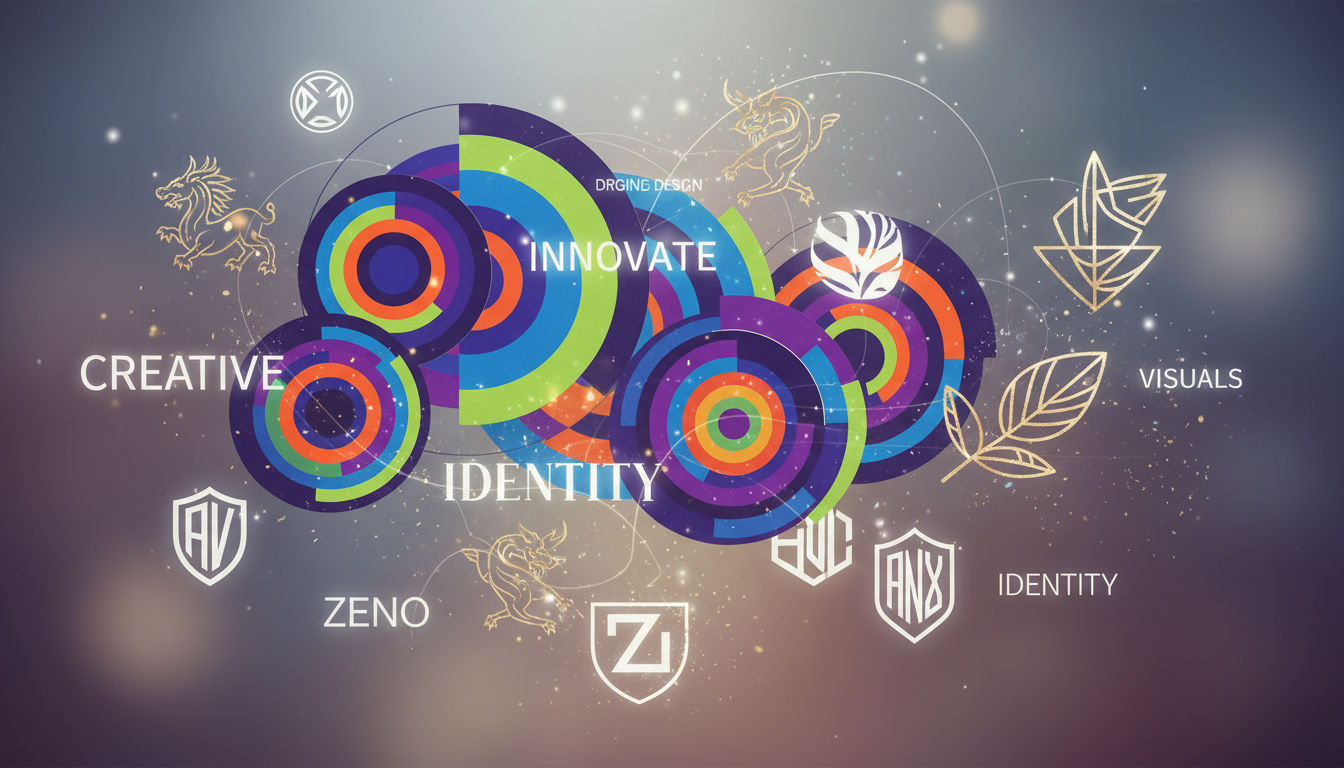
Graphic design is the art and practice of creating visual content to communicate messages. At its core, it's about problem-solving through imagery, typography, color, and composition. A graphic designer doesn't just make things look pretty—they craft visual solutions that serve specific business objectives.
The discipline encompasses far more than most people realize. Graphic design includes logo creation, brand identity systems, packaging design, advertising materials, social media graphics, and countless other visual applications. Every designed element you encounter daily, from product labels to billboards, represents someone's graphic design work.
Core Principles That Define Graphic Design
Graphic design operates on fundamental principles that guide every creative decision. These aren't arbitrary rules but proven frameworks that ensure visual communication works effectively.
Typography forms the foundation of most graphic design work. The fonts you choose, how you space letters, and the hierarchy you create with different text sizes all communicate meaning beyond the words themselves. A playful, rounded font sends a completely different message than a sharp, angular typeface.
Color theory represents another critical pillar. Colors evoke emotions, create associations, and guide the viewer's eye through a composition. Professional graphic designers understand how colors interact, which combinations create harmony or tension, and how cultural contexts influence color perception.
Imagery and visual elements add depth and context to design work. This includes photography, illustrations, icons, and graphics that support the overall message. Graphic designers carefully select or create these elements to reinforce brand identity and communicate specific ideas.
Composition brings everything together. It's the deliberate arrangement of all visual elements to create a cohesive, effective design. Good composition guides the viewer's eye, creates emphasis where needed, and ensures the message comes across clearly.
The Strategic Role in Brand Communication
Graphic design serves a strategic function that extends well beyond aesthetics. It's a business tool that shapes how audiences perceive your company, products, and services.
When done well, graphic design builds brand recognition. Think about companies with instantly recognizable visual identities. You don't need to see their name to know who they are. That's strategic graphic design at work, creating visual systems that become synonymous with the brand itself.
Graphic design also establishes credibility and professionalism. Research shows that people make snap judgments about businesses based on visual presentation. A professionally designed website, brochure, or social media presence signals that you're serious about your business and can be trusted.
The emotional connection graphic design creates shouldn't be underestimated either. Colors, imagery, and design styles evoke specific feelings that influence how people relate to your brand. A law firm might use conservative blues and traditional typography to convey trustworthiness, while a creative agency might embrace bold colors and experimental layouts to showcase innovation.
For businesses in markets like Montreal, where competition is fierce across multiple languages and cultures, graphic design becomes even more critical. Your visual identity needs to transcend language barriers and resonate with diverse audiences. The right graphic design approach can communicate your value proposition before anyone reads a single word.
What is Layout Design?
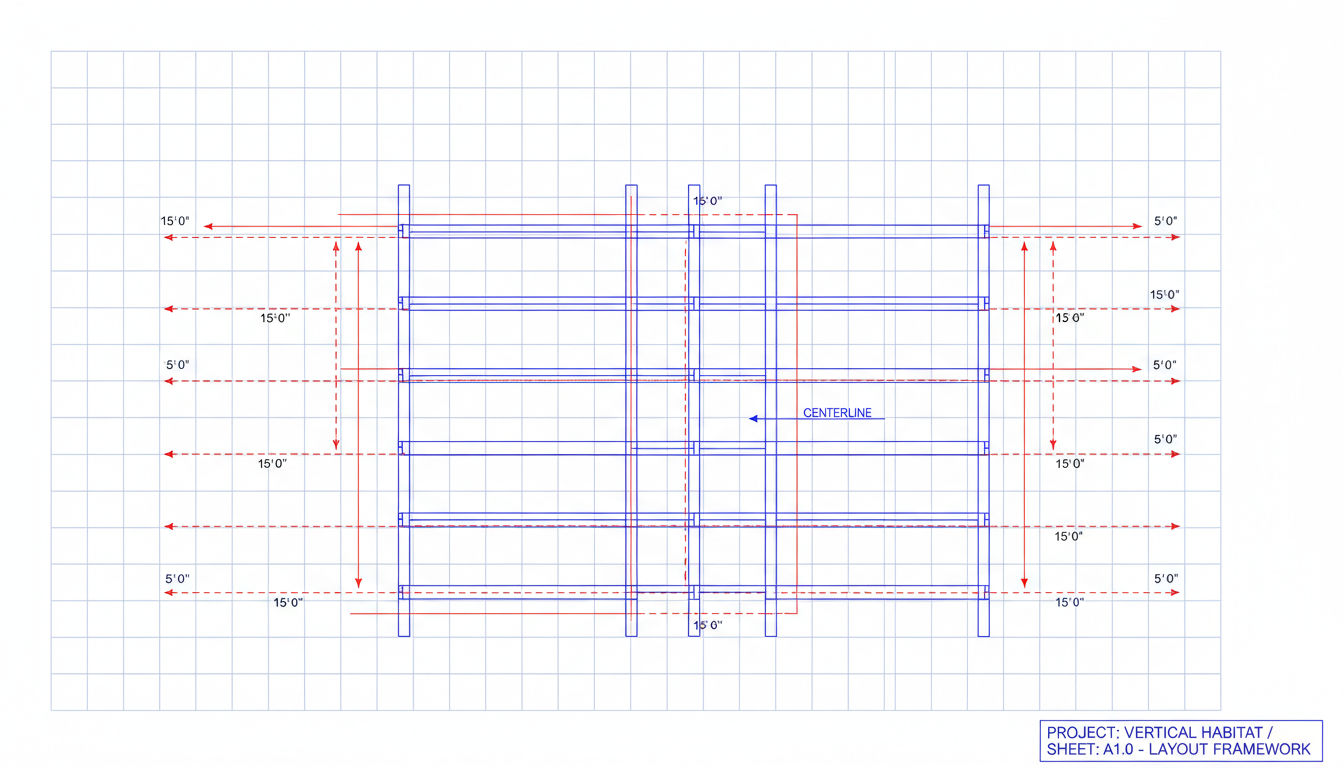
Layout design is the structural framework that organizes visual elements on a page, screen, or any other medium. While graphic design creates the individual components, layout design determines where everything goes and how elements relate to each other spatially.
Think of layout as the blueprint for visual communication. It establishes the grid system, spacing, alignment, and overall architecture that makes content accessible and easy to navigate. Without effective layout, even the most beautiful graphic elements become chaotic and difficult to process.
The Functional Foundation of Design
Layout design functions as the invisible structure supporting all visual content. It's less about creativity and more about logic, usability, and information hierarchy. A layout designer asks: "How should we organize this information so people can find what they need quickly?"
This discipline requires understanding how people naturally scan and process visual information. Eye-tracking studies show that readers follow predictable patterns when viewing pages. Layout designers use this knowledge to position important elements where they'll receive the most attention.
The scope of layout design includes determining column structures, establishing margins and gutters, creating consistent spacing systems, and defining how different content types appear throughout a project. It's about creating order and predictability that helps users navigate content effortlessly.
Common Applications Across Media
Layout design appears everywhere you look, though you might not consciously notice it. Websites rely heavily on layout systems to organize navigation menus, content blocks, images, and calls to action. A well-designed website layout guides visitors through information logically, making it easy to find what they need.
Print materials like magazines, brochures, and annual reports depend on sophisticated layout systems. These projects often involve complex information that needs clear organization across multiple pages. Layout designers create templates and grids that maintain consistency while allowing enough flexibility for varied content.
Digital interfaces for apps and software platforms require meticulous layout planning. Every button, form field, and menu needs precise positioning to create intuitive user experiences. Poor layout in these contexts doesn't just look bad—it makes products difficult or impossible to use.
Email marketing campaigns need layout design that works across different email clients and screen sizes. The layout must prioritize key messages, maintain brand consistency, and guide readers toward desired actions, all within technical constraints that don't exist in other media.
For service-focused businesses, layout design ensures that information about offerings, pricing, and contact details appears logically and accessibly. When potential clients visit your website or view your marketing materials, layout design determines whether they can quickly find the information they need to make decisions.
Quick question
Want to turn this into a real plan?
If you want expert help with strategy, design, development, marketing, or automation — we’ll recommend the fastest path forward for your goals.
Layout as Problem-Solving
At its heart, layout design solves practical problems. How do you fit all necessary information into limited space? How do you create visual hierarchy when multiple elements compete for attention? How do you maintain consistency across different pages or screens while accommodating varied content types?
These questions require systematic thinking rather than artistic expression. Layout designers develop frameworks that work across multiple scenarios, creating flexible systems rather than one-off solutions. This systematic approach ensures consistency and scalability as projects grow and evolve.
Key Differences Between Graphic Design and Layout
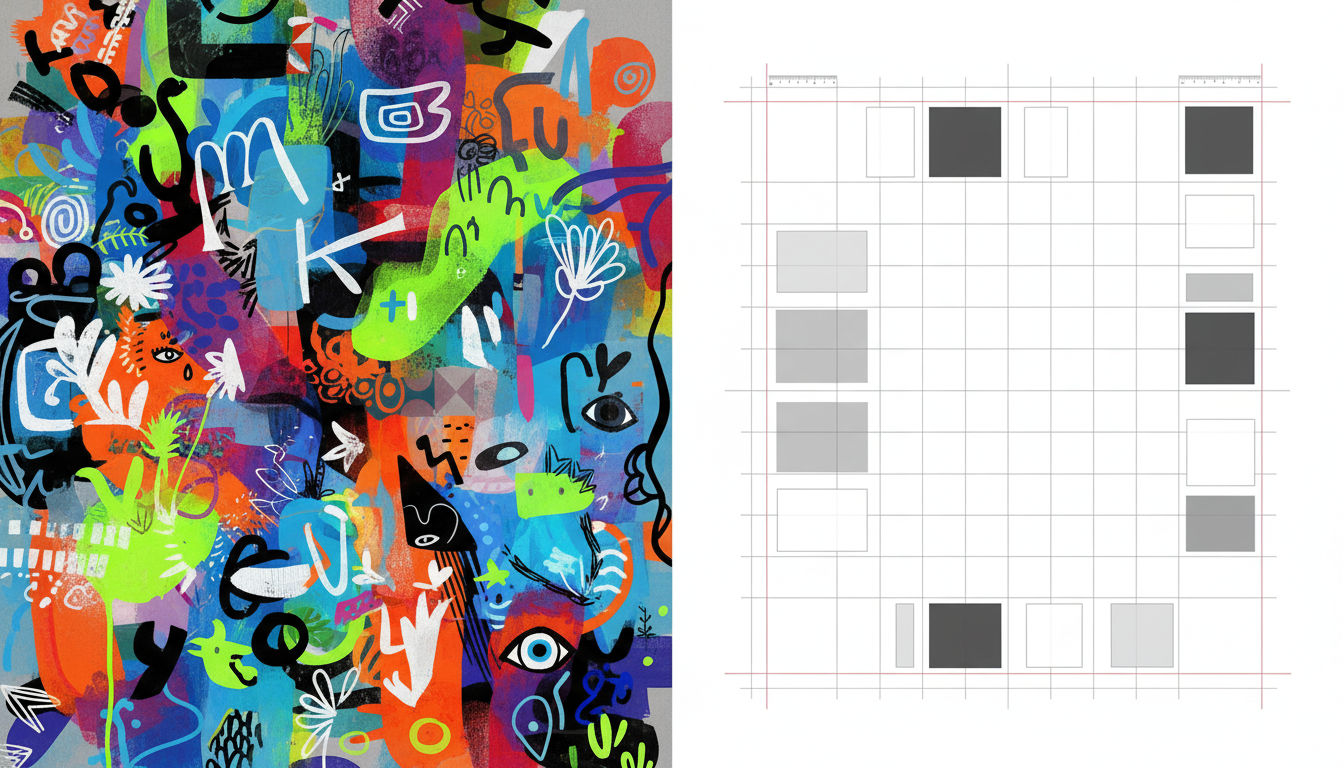
Understanding what separates graphic design from layout design helps you make better decisions about your visual communication needs. While these disciplines overlap and complement each other, they serve distinctly different purposes and require different approaches.
Scope and Purpose Comparison
Graphic design focuses on creating visual identity and emotional impact. Its primary purpose is to communicate brand personality, evoke specific feelings, and make content visually compelling. A graphic designer asks: "What should this look like to represent the brand and connect with the audience?"
Layout design concentrates on organization and functionality. Its purpose is to structure information logically and make content easy to navigate and consume. A layout designer asks: "How should we arrange these elements so users can process information efficiently?"
The scope of graphic design is broad and creative. It encompasses color palette development, custom illustration, photography selection and editing, icon design, and creating visual assets that define brand identity. Graphic designers often work on elements that will be reused across multiple projects.
Layout design has a more focused scope centered on spatial relationships and information architecture. It involves grid system creation, whitespace management, content flow optimization, and responsive design planning. Layout designers work within established brand guidelines to organize specific content for particular projects.
Creative vs. Structural Focus
Graphic design is inherently creative and exploratory. Designers experiment with different visual approaches, push boundaries, and develop unique solutions that differentiate brands from competitors. There's significant artistic freedom in choosing colors, creating imagery, and developing visual styles.
Layout design is primarily structural and systematic. While creativity plays a role, the focus is on creating logical, repeatable frameworks that serve functional purposes. Layout designers work within constraints and prioritize usability over artistic expression.
This doesn't mean layout design lacks creativity. Finding elegant solutions to complex organizational challenges requires innovative thinking. But the innovation serves clarity and usability rather than aesthetic differentiation.
Skill Sets and Expertise Required
Graphic designers need strong artistic abilities and aesthetic sensibility. They must understand color theory deeply, have typography expertise, possess illustration or photo editing skills, and stay current with visual trends. Many graphic designers come from fine arts backgrounds or have formal training in design principles.
Layout designers require different competencies. They need spatial reasoning abilities, understanding of user experience principles, knowledge of grid systems and proportions, and familiarity with responsive design techniques. Many layout specialists have backgrounds in information architecture or user interface design.
Both disciplines require proficiency with design software, but they use different tools and features. Graphic designers spend more time in illustration and photo editing programs, while layout designers work extensively with page layout software and prototyping tools.
Communication skills matter for both, but in different ways. Graphic designers must articulate creative concepts and defend aesthetic choices. Layout designers need to explain structural decisions and demonstrate how organizational systems improve usability.
Tools and Software Used
Graphic designers typically work with Adobe Photoshop for image editing and manipulation, Adobe Illustrator for vector graphics and logo design, and various illustration or 3D rendering programs. They might use specialized color management tools and font creation software.
Layout designers favor Adobe InDesign for print layout projects, Figma or Sketch for digital interface design, and prototyping tools that demonstrate how layouts function interactively. They often use wireframing software to plan structures before adding visual design elements.
Many modern web development projects require professionals who understand both disciplines. However, the tools and workflows remain distinct even when one person handles both aspects.
Timeline and Workflow Differences
Graphic design timelines often include extended exploration phases. Designers create multiple concepts, gather feedback, and refine directions before finalizing visual assets. This iterative process can take weeks or months for comprehensive brand identity projects.
Layout design follows more structured timelines once the content scope is defined. After understanding what information needs organizing, layout designers can work relatively quickly to create structural frameworks. Changes typically involve adjusting spacing, repositioning elements, or refining hierarchies rather than reimagining entire concepts.
In collaborative projects, graphic design usually happens first, establishing visual language and creating assets. Layout design follows, incorporating these elements into organized, functional compositions. However, some projects benefit from parallel workflows where layout considerations inform graphic design decisions from the start.
Budget allocation differs between disciplines too. Graphic design often represents a larger upfront investment, especially for brand identity work. Layout design costs typically scale with project complexity and the number of unique page templates or screens required.
How Graphic Design and Layout Work Together
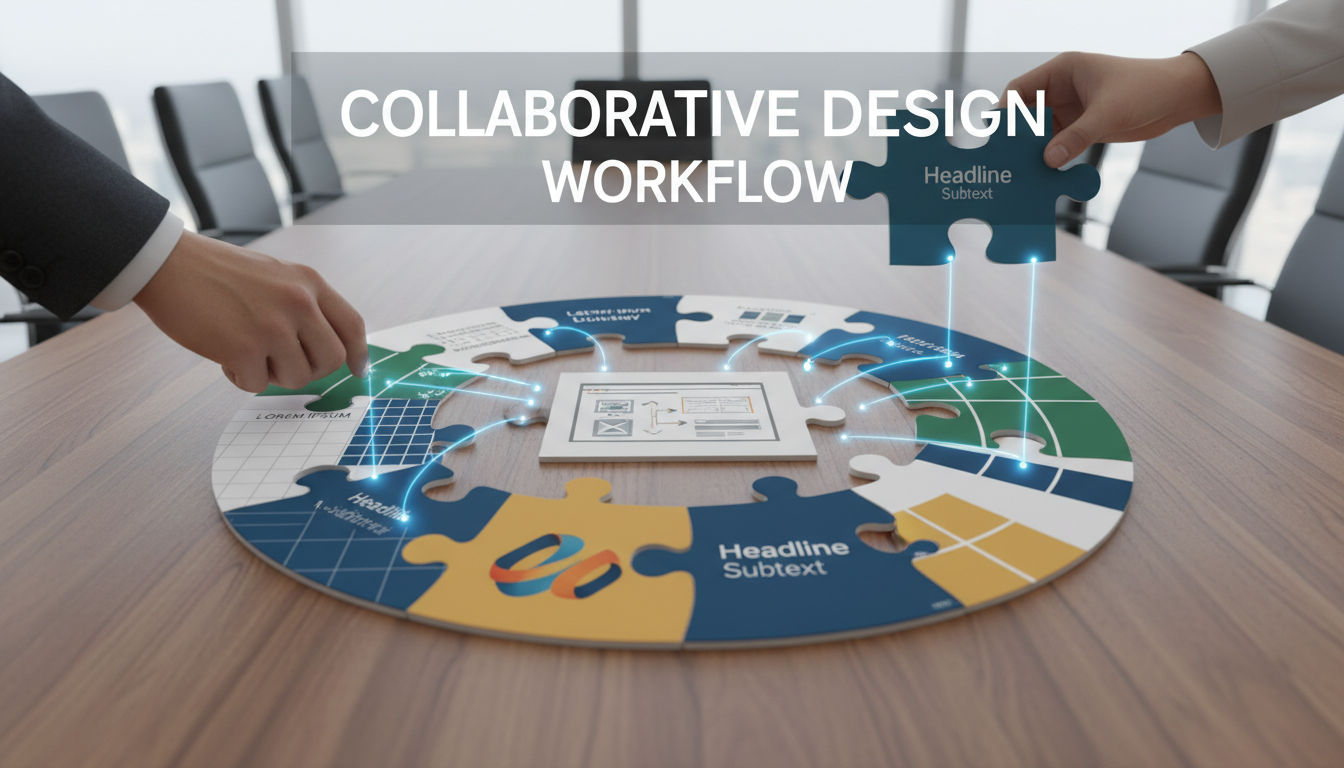
The most effective visual communication happens when graphic design and layout work in harmony. Neither discipline operates in isolation. They're complementary forces that, when properly coordinated, create experiences greater than the sum of their parts.
The Complementary Relationship
Graphic design provides the visual vocabulary—the colors, typography, imagery, and style elements that define brand identity. Layout design takes this vocabulary and speaks with it, organizing elements into coherent messages that audiences can easily understand and navigate.
Think of building a house. Graphic design determines the architectural style, materials, and aesthetic details that make the house beautiful and distinctive. Layout design creates the floor plan that makes the house functional and livable. You need both for a successful home.
This relationship works best when both disciplines inform each other from a project's beginning. When graphic designers understand layout constraints, they create assets that work effectively within structural frameworks. When layout designers understand brand identity goals, they organize content in ways that reinforce visual messaging.
Visual Design Integration in Modern Projects
Modern digital projects blur the lines between graphic and layout design more than ever. Responsive websites must maintain visual identity across dramatically different screen sizes and layouts. This requires tight integration between both disciplines.
Consider an e-commerce website. Graphic designers create the logo, establish the color palette, design product photography styles, and develop icon systems. Layout designers determine how products display in grids, structure the checkout process, organize navigation menus, and ensure consistency across hundreds of pages.
The integration happens through design systems—comprehensive guidelines that document both visual elements and layout patterns. These systems ensure that anyone working on the project can create new pages or features that feel cohesive with existing work.
Social media marketing provides another integration example. Graphic designers create templates with brand-appropriate colors, fonts, and imagery styles. Layout designers structure these templates so different content types—quotes, product announcements, blog promotions—maintain visual consistency while serving different purposes.
Real-World Collaboration Examples
A Montreal-based restaurant launching a new website needs both disciplines working together. Graphic designers might create custom food photography, design a distinctive logo, and establish a warm color palette that reflects the dining experience. Layout designers then organize the menu into scannable sections, structure the reservation system for easy booking, and ensure the site works perfectly on mobile devices where most customers will view it.
A software company creating a product brochure requires similar collaboration. Graphic designers develop infographics that explain complex features visually, select photography that shows the product in use, and create visual metaphors that make technical concepts accessible. Layout designers organize this content across pages, establish reading flow, and ensure technical specifications remain easy to reference.
Email marketing campaigns demonstrate how both disciplines contribute to success. Graphic design creates eye-catching headers, compelling imagery, and branded visual elements that grab attention. Layout design ensures the most important information appears above the fold, calls-to-action stand out clearly, and the email remains readable across different email clients and devices.
Why Businesses Need Both for Effective Communication
Investing in graphic design without proper layout results in beautiful elements that confuse rather than communicate. You might have a stunning logo and gorgeous imagery, but if your website's navigation is chaotic or your brochure's information is poorly organized, potential customers will leave frustrated.
Conversely, perfect layout without strong graphic design creates functional but forgettable experiences. Your website might be easy to navigate, but if it looks generic and fails to convey your brand personality, you won't stand out from competitors or build emotional connections with your audience.
Businesses that understand this balance invest strategically in both disciplines. They recognize that visual communication is a system where every component matters. The professional services that deliver the best results coordinate both aspects from project inception.
This integrated approach is particularly valuable for businesses operating in competitive markets. When potential customers compare multiple options, those with both strong visual identity and excellent information organization consistently win. They're easier to understand, more pleasant to interact with, and more memorable after the interaction ends.
Graphic Design Principles That Influence Layout
Graphic design principles don't exist in isolation from layout decisions. In fact, many core design principles directly shape how effective layouts function. Understanding these connections helps create cohesive visual experiences where every element serves both aesthetic and organizational purposes.
Hierarchy and Visual Flow
Hierarchy is perhaps the most critical principle bridging graphic and layout design. It determines what viewers see first, second, and third, guiding them through content in a deliberate sequence that serves your communication goals.
Graphic designers create hierarchy through size, color, contrast, and weight. A large, bold headline naturally draws attention before smaller body text. A brightly colored button stands out against a neutral background. These visual distinctions signal importance and create entry points into content.
Layout designers implement hierarchy through position, spacing, and structure. Elements placed at the top of a page or screen receive attention first. Items with generous whitespace around them appear more important than densely packed content. The grid structure itself creates hierarchical relationships between different content blocks.
Visual flow describes the path viewers' eyes follow through a composition. In Western cultures, people naturally scan from left to right and top to bottom. Effective layouts respect these patterns while using visual cues to guide attention strategically.
Graphic elements like arrows, lines, or directional imagery can direct eye movement. Layout decisions about alignment and spacing reinforce these paths. Together, they create intuitive journeys through content that feel natural rather than forced.
Balance and Alignment
Balance creates visual stability and comfort. Symmetrical balance places equal visual weight on both sides of a composition, creating formal, stable feelings. Asymmetrical balance uses different elements of varying sizes and weights to create equilibrium, resulting in more dynamic, interesting compositions.
Graphic designers achieve balance through careful distribution of colors, shapes, and visual elements. A large image on one side might balance multiple smaller text blocks on the other. Dark colors carry more visual weight than light ones, requiring less space to balance lighter elements.
Layout designers implement balance through grid structures and spatial relationships. They determine how much space each element occupies and ensure no single area feels too heavy or too empty. Multi-column layouts naturally create balance by distributing content evenly across available space.
Alignment connects related elements and creates visual order. When elements align along common edges or axes, they feel organized and intentional. Misalignment creates tension and can make content feel chaotic or amateurish.
Strong layouts use consistent alignment throughout. Text might align to a left edge, images to a right edge, and both to an invisible center axis. These alignment choices become part of the visual system that makes content feel cohesive across multiple pages or screens.
Contrast and Emphasis
Contrast creates visual interest and directs attention. Without contrast, everything blends together and nothing stands out. High contrast between elements makes important information immediately obvious.
Graphic designers create contrast through color combinations, size variations, font choices, and texture differences. Black text on a white background provides maximum readability. A red call-to-action button on a blue page demands attention. Bold headlines contrast with regular body text to signal importance.
Layout designers use contrast through spacing, positioning, and structural variation. A single large image contrasts with multiple smaller ones. Generous whitespace around one element makes it stand out from densely packed surrounding content. Breaking a consistent grid pattern creates emphasis through structural contrast.
Emphasis determines what receives the most attention in a composition. Every effective design has a clear focal point—the element you want viewers to notice first. This might be a headline, product image, or call-to-action button.
Creating emphasis requires making deliberate choices about what matters most. You can't emphasize everything, or nothing stands out. Effective visual communication establishes clear priorities and uses both graphic and layout techniques to ensure viewers notice what matters.
White Space Utilization
White space, or negative space, is the empty area around and between elements. Despite the name, it doesn't need to be white—it's simply space without content. Many beginners see white space as wasted space and try to fill every pixel. This is a mistake.
White space serves critical functions in both graphic and layout design. It gives viewers' eyes places to rest, preventing visual fatigue. It creates separation between different content sections, making information easier to process. It adds elegance and sophistication to designs, signaling quality and attention to detail.
Graphic designers use white space to let important elements breathe. A logo surrounded by generous space appears more premium than one crammed into a corner. Product photography with clean backgrounds focuses attention on the product itself.
Layout designers employ white space strategically to organize content and create rhythm. Margins and padding separate different content blocks. Line spacing makes text more readable. The space between sections signals transitions and helps viewers understand content structure.
Professional designs often use more white space than amateur ones. This isn't because professionals have less content—it's because they understand that clarity and readability matter more than cramming everything onto a single screen or page. When you review professional project portfolios, notice how white space contributes to overall effectiveness.
Next step
Ready for a quote and timeline?
Send a quick note with what you’re building, your deadline, and what success looks like — we’ll reply with clear next steps.
When to Prioritize Graphic Design vs Layout
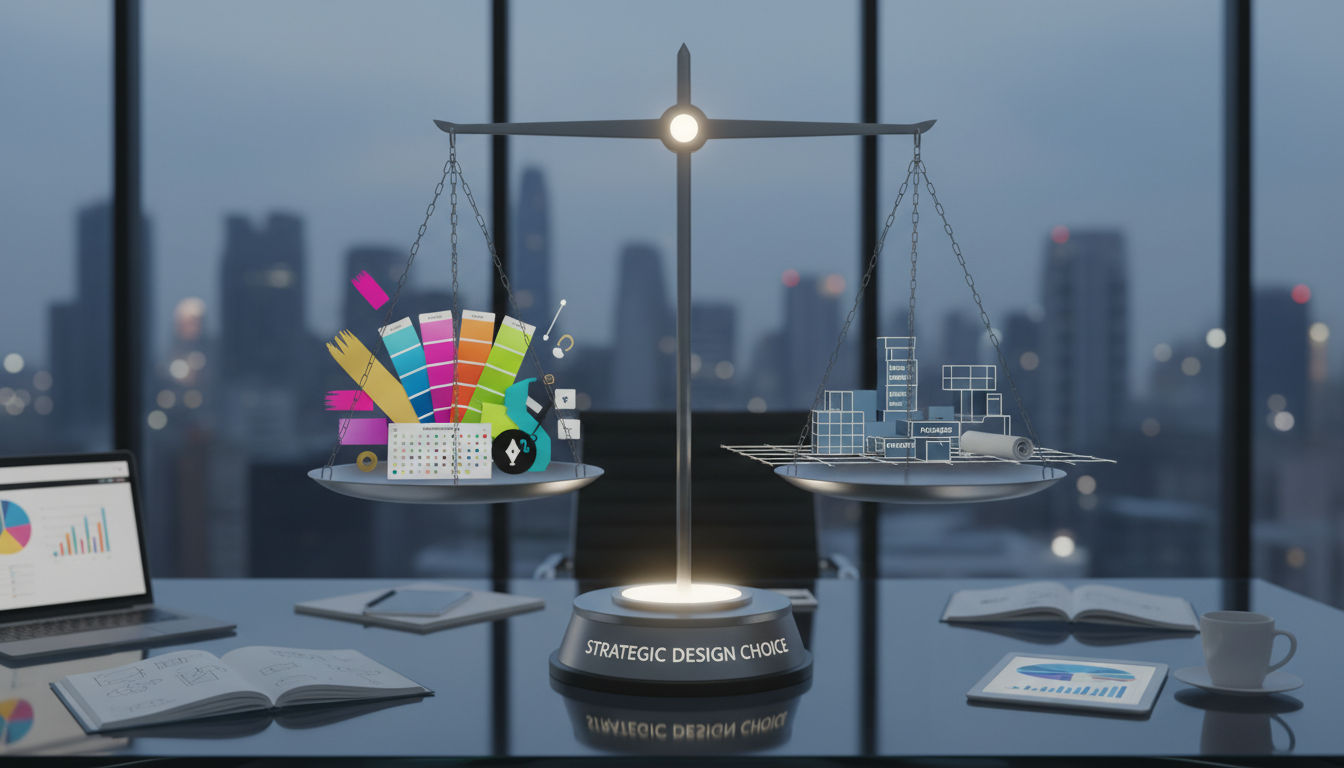
Different projects require different emphases. Understanding when to prioritize graphic design versus layout design helps you allocate resources effectively and achieve better results within budget constraints.
Project Types That Require Graphic Design Focus
Brand identity development demands graphic design priority. When you're creating or refreshing a logo, establishing a color palette, or developing a visual style guide, graphic design takes center stage. These foundational elements define how your business appears across all channels, making them worth significant investment.
Marketing campaigns launching new products or services need strong graphic design. You're trying to capture attention, evoke emotions, and differentiate from competitors. Compelling imagery, distinctive color schemes, and creative visual concepts become your primary tools for standing out in crowded markets.
Social media presence relies heavily on graphic design. Platforms like Instagram, Facebook, and LinkedIn are inherently visual. Your posts need eye-catching graphics, consistent brand styling, and creative visual content that stops people from scrolling past. Layout matters less here because platform templates largely dictate structure.
Packaging design is almost purely a graphic design challenge. While layout principles apply to organizing information on packages, the creative visual approach determines whether products catch eyes on crowded shelves. Colors, imagery, and typography choices make the critical difference.
Print advertising, whether in magazines, newspapers, or billboards, prioritizes graphic design. You have seconds to capture attention and communicate a message. Bold creative concepts, striking imagery, and distinctive visual treatment matter more than organizational structure in these contexts.
Scenarios Where Design Layout Takes Precedence
Website development for content-heavy sites requires layout priority. If you're building a news site, educational platform, or resource library with hundreds or thousands of pages, organizational structure matters most. Users need to find information quickly, navigate intuitively, and process content efficiently.
Technical documentation and user manuals demand layout expertise. These projects involve complex information that must be organized logically with clear hierarchies, easy navigation, and consistent formatting. Visual flair matters less than clarity and usability.
Data visualization and dashboard design focus primarily on layout. When presenting complex information, statistics, or analytics, how you organize and structure data determines whether users can extract insights. Clear hierarchies, logical groupings, and intuitive navigation become paramount.
E-commerce platforms with extensive product catalogs need strong layout systems. Customers must browse categories easily, compare products effectively, and move through checkout processes smoothly. While graphic design establishes brand identity, layout determines whether the shopping experience converts browsers into buyers.
Forms and interactive tools prioritize layout design. Whether it's a multi-step application form, calculator, or configurator, users need clear guidance through processes. Field organization, progress indicators, and logical flow matter more than creative visual treatment.
Budget Considerations for Small to Medium-Sized Businesses
Limited budgets require strategic choices. Many small businesses face the question: should we invest more in graphic design or layout for this project?
Start by identifying your biggest weakness. If your existing materials look outdated or generic, prioritize graphic design to establish a stronger visual identity. If your website is confusing to navigate or your materials are hard to read, focus on improving layout structure.
Consider longevity and reusability. Graphic design elements like logos, color palettes, and brand assets get used repeatedly across many projects. This makes them worth higher upfront investment because they deliver value over time. Layout work is often project-specific, though design systems can provide reusable frameworks.
Phased approaches work well for budget-conscious businesses. You might invest in strong graphic design first to establish brand identity, then improve layout systematically across different materials as budget allows. Alternatively, start with solid layout frameworks using basic graphic elements, then enhance visual design as resources permit.
Making Strategic Decisions for Your Brand
Your industry and audience influence which discipline deserves priority. Professional services like law firms or financial advisors might emphasize layout and organization to convey competence and clarity. Creative industries like design agencies or entertainment companies might prioritize distinctive graphic design to showcase creativity.
Consider your competitive landscape. If competitors have strong visual identities but confusing websites, superior layout could differentiate you. If everyone in your industry looks similar, distinctive graphic design might be your competitive advantage.
Your content type matters too. Text-heavy businesses need excellent layout to make information digestible. Image-focused businesses need compelling graphic design to showcase visual content effectively.
Don't try to do everything at once with inadequate resources. It's better to excel in one area than to spread your budget too thin and achieve mediocre results in both. A website with excellent layout but basic graphics outperforms one with gorgeous graphics but confusing navigation.
When you're ready to make these strategic decisions for your business, professional consultation can help you assess your specific needs and allocate resources effectively. The right approach depends on your unique situation, goals, and constraints.
Conclusion
The distinction between graphic design and layout design isn't just academic—it's practical knowledge that directly impacts your business success. Graphic design creates the visual identity, emotional resonance, and aesthetic appeal that makes your brand memorable. Layout design provides the organizational structure, information hierarchy, and functional framework that makes your content accessible and effective.
Neither discipline operates effectively in isolation. The most successful visual communication happens when both work together seamlessly. Your brand's visual elements need proper organization to communicate clearly, and your well-structured layouts need compelling visual design to engage audiences emotionally.
Understanding this relationship empowers you to make smarter decisions about your marketing investments. You can identify which discipline needs priority for specific projects, communicate more effectively with design professionals, and recognize when you're getting comprehensive solutions versus partial approaches.
For small to medium-sized businesses, this knowledge is particularly valuable. You can't afford to waste resources on beautiful designs that don't function well or perfectly organized content that looks generic and forgettable. Strategic investments in both graphic design and layout, properly balanced for your specific needs, deliver the best return.
The digital landscape continues evolving, but these fundamental principles remain constant. Whether you're building a website, creating marketing materials, or developing a complete brand identity, both graphic design and layout contribute essential elements to your success.
Remember that professional results require professional expertise. While understanding these distinctions helps you make informed decisions, executing both disciplines effectively requires specialized skills, experience, and tools. The difference between adequate and exceptional visual communication often lies in the expertise behind the work.
Your visual communication represents your business to the world. It shapes first impressions, builds credibility, and influences whether potential customers choose you over competitors. Investing in both strong graphic design and effective layout isn't optional in today's visually-driven marketplace—it's essential for growth.
Ready to elevate your business's visual communication with professional expertise in both graphic design and layout? The team at Vohr Technologies brings comprehensive experience in creating cohesive, effective visual solutions that serve your specific business goals. Explore our services to see how we approach integrated design projects, or get in touch to discuss your unique needs and how we can help you achieve your communication objectives.