
Introduction
In the competitive digital landscape of 2026, understanding why visitors leave your website without converting is more critical than ever. Whether you're running an e-commerce store, a SaaS platform, or a service-based business, the difference between a 2% and a 5% conversion rate can mean hundreds of thousands of dollars in revenue. That's where conversion rate optimization tools come into play.
Conversion Rate Optimization, or CRO, is the systematic process of increasing the percentage of website visitors who take a desired action—whether that's making a purchase, signing up for a newsletter, or filling out a contact form. It's not about driving more traffic to your site; it's about making the most of the traffic you already have. Think of it like this: if your website is a store, CRO is the process of rearranging the layout, improving the signage, and training your staff to help more visitors become customers.
The importance of CRO tools has skyrocketed in 2026 for several reasons. First, customer acquisition costs continue to rise across all digital channels, making it more expensive than ever to attract new visitors. Second, user expectations have evolved—today's consumers demand personalized, seamless experiences across all devices. Third, privacy changes and cookie restrictions have made traditional marketing attribution more challenging, placing greater emphasis on optimizing the experiences you can control directly on your website.
When selecting the best conversion rate optimization tools for this guide, we evaluated dozens of platforms based on several key criteria: ease of use, depth of features, pricing transparency, integration capabilities, and real-world effectiveness. We've worked with many of these tools firsthand while helping businesses in Montreal and beyond improve their digital presence, and we've seen the tangible impact they can have on bottom-line results. This comprehensive guide will help you navigate the CRO tool landscape and choose the solutions that best fit your business needs and budget.
Understanding CRO Tools and Their Impact on Your Business
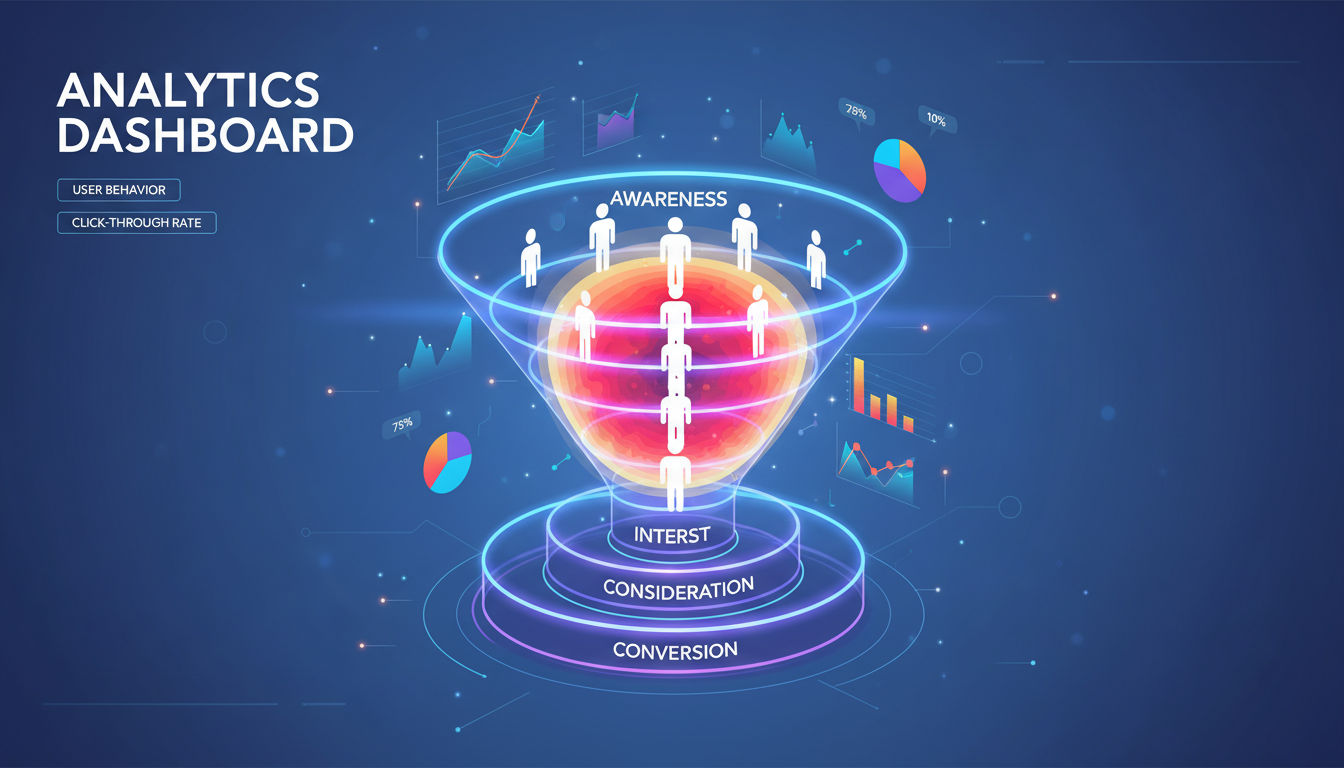
Conversion rate optimization tools are software platforms designed to help you understand visitor behavior, test different variations of your website elements, and ultimately increase the percentage of visitors who complete desired actions. These tools range from simple heatmap viewers to sophisticated experimentation platforms that can run multivariate tests across multiple pages simultaneously.
The most effective conversion tools share several key features. First, they provide robust analytics that go beyond basic metrics like page views and bounce rates. They show you where users click, how far they scroll, and where they abandon the conversion funnel. Second, they offer testing capabilities that allow you to experiment with different headlines, images, button colors, and page layouts without requiring extensive development resources. Third, they integrate seamlessly with your existing technology stack, from your content management system to your analytics platform to your email marketing software. Fourth, they provide actionable insights rather than just raw data—highlighting opportunities for improvement and suggesting next steps.
When it comes to ROI expectations, conversion optimization software consistently delivers some of the highest returns of any digital marketing investment. Consider this: if you're spending $10,000 per month on paid advertising to drive 10,000 visitors to your site, and your conversion rate is 2% (200 conversions), increasing your conversion rate to just 3% gives you 300 conversions—a 50% increase in results from the same advertising spend. Many businesses see their investment in CRO tools pay for itself within the first few months, with some reporting ROI improvements of 200% to 400% within the first year.
The beauty of optimization software is that improvements compound over time. Unlike paid advertising, where you stop getting results the moment you stop spending, CRO improvements continue to benefit your business indefinitely. A better-performing landing page keeps converting at higher rates month after month, year after year.
So who needs CRO tools? The short answer is any business with a digital presence that wants to grow. E-commerce companies use them to reduce cart abandonment and increase average order values. SaaS businesses leverage them to optimize free trial sign-ups and reduce churn. Service providers like those in the Montreal area use them to generate more qualified leads from their websites. Even content publishers rely on CRO tools to increase newsletter subscriptions and ad engagement. If you have business goals tied to your website performance—and in 2026, who doesn't?—you need conversion optimization tools in your arsenal.
Top All-in-One Conversion Rate Optimization Platforms
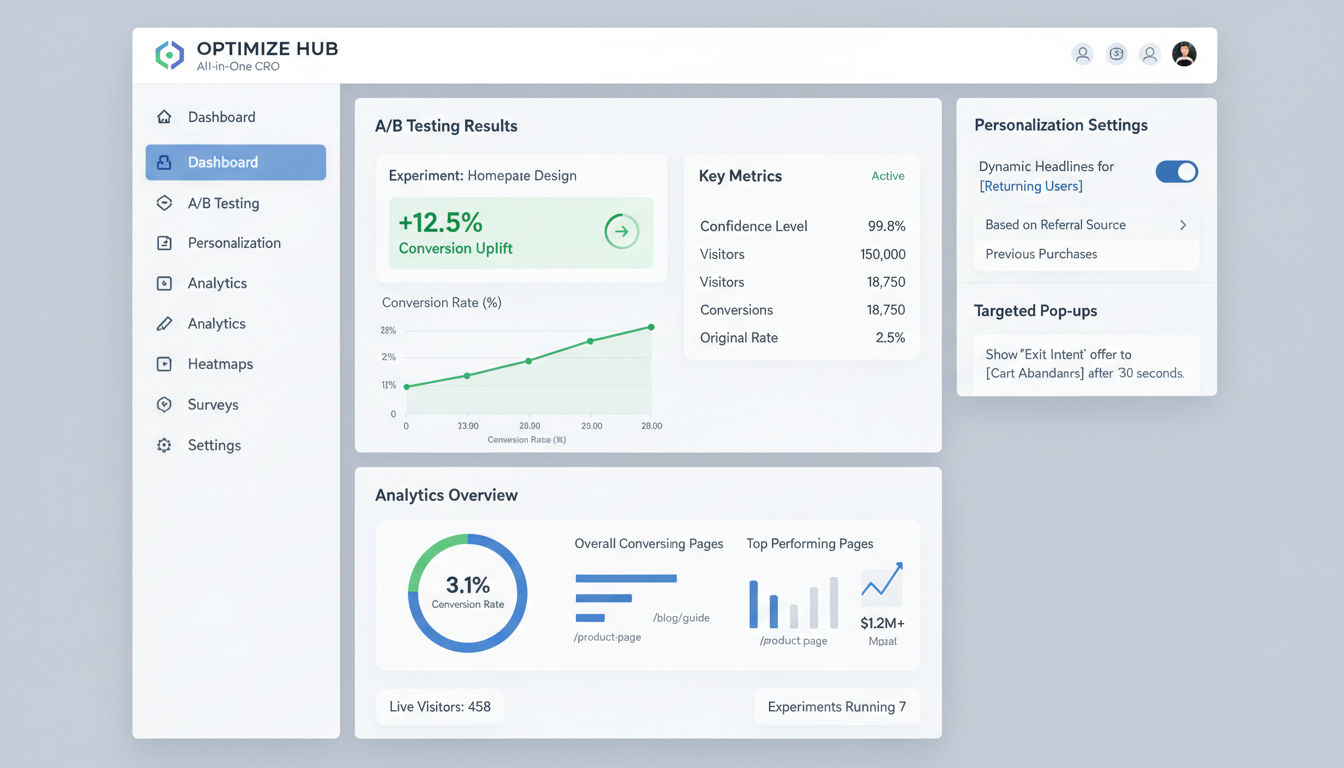
All-in-one CRO platforms offer the most comprehensive solution for businesses serious about optimization. These tools combine A/B testing, multivariate testing, personalization, and analytics in a single platform, eliminating the need to juggle multiple subscriptions and integrations.
VWO (Visual Website Optimizer) has established itself as one of the most user-friendly all-in-one platforms on the market. What sets VWO apart is its intuitive visual editor that allows marketers to create test variations without writing a single line of code. You simply point, click, and edit elements on your page as if you were using a word processor. Beyond A/B testing, VWO offers heatmaps, session recordings, on-page surveys, and form analytics—essentially everything you need to understand and optimize the user experience. Their AI-powered insights feature analyzes your test results and suggests next experiments, which is particularly valuable for teams new to CRO. VWO's pricing starts around $199 per month for their basic plan, scaling up based on traffic volume and features needed.
Optimizely is the platform of choice for many enterprise organizations, though they've recently expanded their offerings to serve mid-market businesses as well. Originally known purely as an A/B testing tool, Optimizely has evolved into a comprehensive Digital Experience Platform. Their experimentation engine is incredibly powerful, supporting complex multivariate tests, server-side testing, and even testing across mobile apps. The platform excels at personalization, allowing you to deliver different experiences to different audience segments based on virtually any criteria. The learning curve is steeper than VWO, and you'll likely need some developer support for advanced implementations. Pricing is custom and typically starts in the low four figures monthly for their optimization platform, making it more suitable for businesses with substantial traffic and budget.
Convert positions itself as the privacy-focused alternative in the CRO space, which has become increasingly important as data regulations tighten globally. Convert offers GDPR-compliant A/B testing without sacrificing functionality. Their platform includes advanced targeting options, a visual editor, and detailed reporting. What many users appreciate about Convert is their transparent pricing model and exceptional customer support—you're not just buying software, you're getting a partner invested in your success. Convert's pricing is more accessible than Optimizely, starting around $699 per month, with custom enterprise plans available for high-traffic sites.
Quick question
Want to turn this into a real plan?
If you want expert help with strategy, design, development, marketing, or automation — we’ll recommend the fastest path forward for your goals.
When comparing these platforms, consider your specific needs. VWO offers the best balance of features and usability for most small to medium businesses. Optimizely is the choice when you need enterprise-grade capabilities and have the technical resources to leverage them fully. Convert is ideal if data privacy is a primary concern or if you value transparent pricing and hands-on support. All three integrate with popular platforms like Google Analytics, WordPress, Shopify, and major marketing automation tools. The key is matching the platform's strengths to your business priorities and technical capabilities.
Best A/B Testing and Experimentation Tools
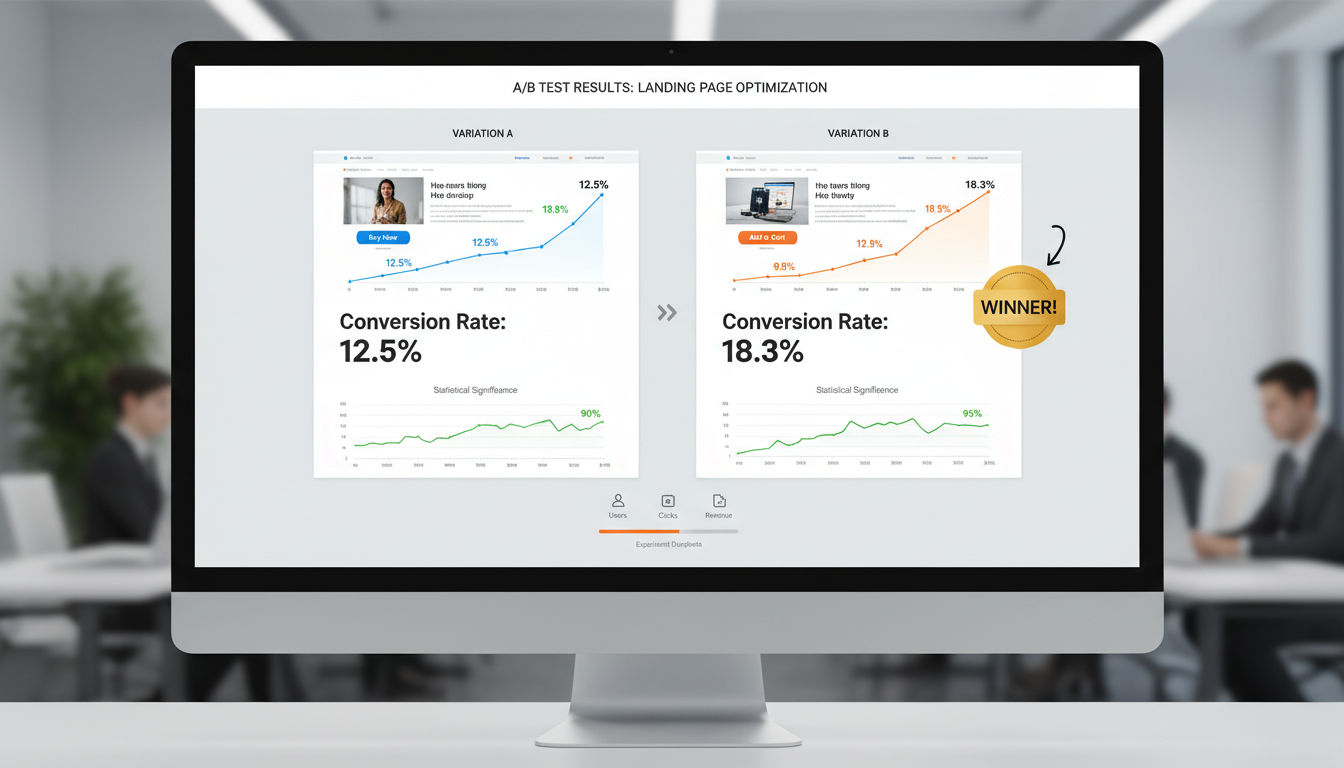
Since Google discontinued Google Optimize in 2023, businesses have been searching for alternatives that deliver robust testing capabilities without enterprise-level complexity or pricing. The good news is that several excellent options have emerged to fill this gap.
AB Tasty has become a popular Google Optimize alternative, offering a clean interface and powerful testing capabilities at a mid-market price point. The platform's visual editor makes it easy to create variations, while its advanced segmentation allows you to target tests to specific audience groups. What makes AB Tasty particularly valuable is its widget library—pre-built elements like countdown timers, social proof notifications, and exit-intent popups that you can add to your pages without custom development. Their reporting is clear and actionable, showing not just which variation won, but the statistical significance and projected impact on your business. AB Tasty also includes personalization features, making it a strong all-in-one option for businesses that want testing and targeting in a single platform. Pricing typically starts around $500 per month.
Kameleoon is an AI-powered experimentation platform that brings sophisticated capabilities to the testing process. Their machine learning algorithms can predict test outcomes faster, reducing the time needed to reach statistical significance. This is particularly valuable for sites with moderate traffic that might otherwise need to run tests for weeks or months. Kameleoon also offers excellent server-side testing capabilities, which is important for testing changes that affect site performance or require backend modifications. The platform includes advanced features like cross-device experimentation and automated personalization. While slightly more complex than AB Tasty, Kameleoon provides exceptional value for businesses ready to take their testing program to the next level. Their pricing is custom but generally competitive with other mid-market solutions.
The question many businesses ask is: when should you use a dedicated testing tool versus an all-in-one platform? Dedicated testing tools make sense when experimentation is your primary focus and you already have separate solutions for analytics and personalization. They often provide more advanced statistical models, faster test velocity, and more granular control over experiment design. However, if you're building a CRO program from scratch, an all-in-one platform typically offers better value and simpler implementation. Many businesses in the Montreal area start with an all-in-one solution and only graduate to dedicated testing tools once they're running dozens of experiments simultaneously.
The key to successful A/B testing isn't just the tool—it's the methodology. Start with high-traffic pages where improvements will have the biggest impact. Test one variable at a time when you're learning, then graduate to multivariate testing as you build confidence. Always let tests run to statistical significance, even if early results look promising. And remember, not every test will be a winner—in fact, many won't be. The goal is to learn and iterate, building a culture of continuous improvement.
Leading Heatmap and User Behavior Analytics Software
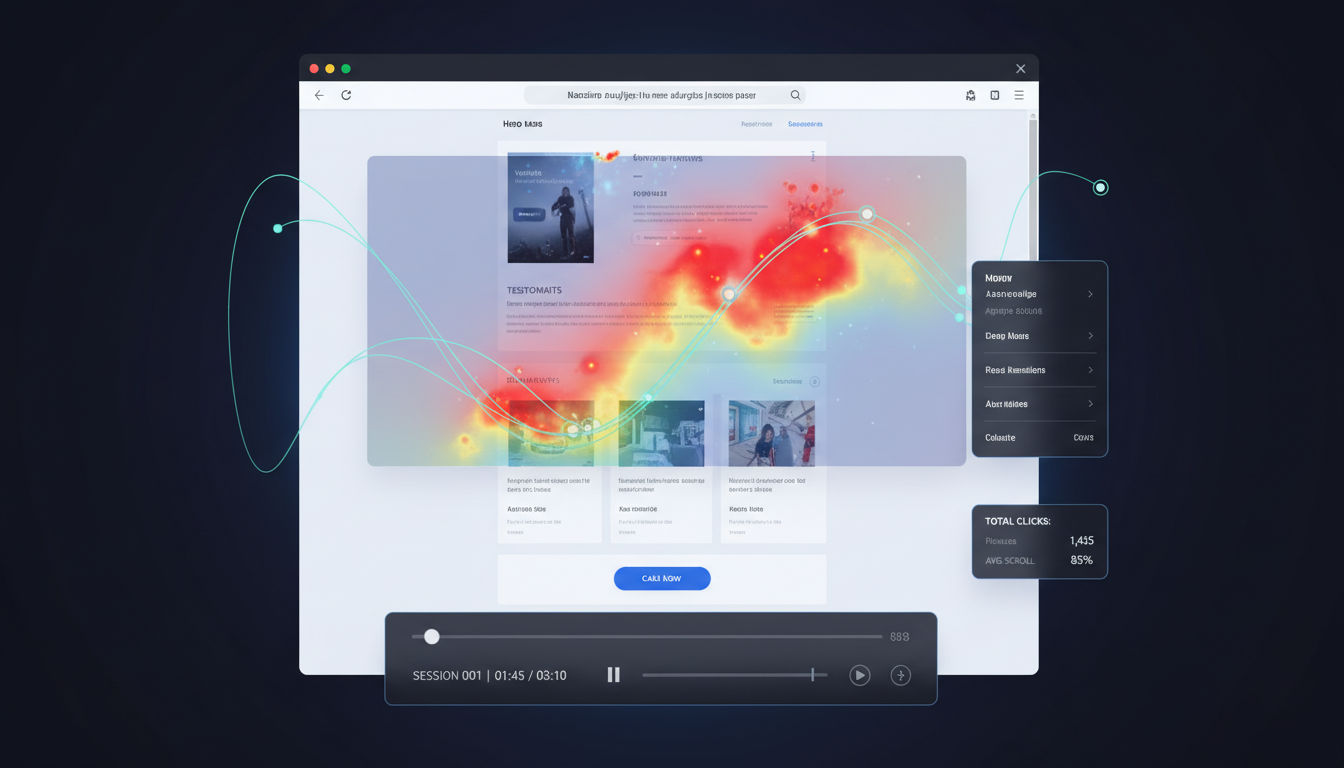
Understanding what users actually do on your website is fundamental to effective optimization. While traditional analytics tell you what happened (page views, conversions, bounce rates), behavior analytics tools show you how it happened—where users click, how far they scroll, and where they get confused or frustrated.
Hotjar has become synonymous with heatmap analytics, and for good reason. Their platform makes it incredibly easy to visualize user behavior through heatmaps, scroll maps, and click maps. But Hotjar goes beyond just heatmaps. Their session recording feature lets you watch actual user sessions, seeing exactly how real visitors navigate your site. It's like looking over someone's shoulder as they use your website, and the insights can be eye-opening. You might discover that users are clicking on elements that aren't actually clickable, or that they're completely missing your primary call-to-action. Hotjar also includes feedback tools like on-page surveys and feedback widgets, letting you ask users directly about their experience. The free plan is generous enough for small businesses to get started, while paid plans begin around $39 per month, making it one of the most accessible CRO tools available.
Crazy Egg offers similar functionality to Hotjar but with some unique features that make it worth considering. Their Snapshots feature creates visual reports showing exactly where users click on any page, with different colors indicating hot and cold zones. The Scrollmap shows how far down the page users scroll before leaving, which is invaluable for optimizing content placement and page length. What sets Crazy Egg apart is their A/B testing capabilities built right into the platform—you can create variations using their visual editor and test them without needing a separate tool. Their Recordings feature, like Hotjar's, lets you watch individual user sessions. Crazy Egg's pricing starts around $29 per month for their basic plan, with higher tiers offering more recordings and traffic capacity.
Microsoft Clarity has emerged as a game-changing option because it's completely free, with no traffic limits or feature restrictions. Microsoft built Clarity to compete with paid alternatives, and they've succeeded in creating a genuinely useful tool. You get unlimited heatmaps, session recordings, and insights powered by AI that automatically identifies rage clicks (when users frantically click the same element), dead clicks (clicks on non-interactive elements), and excessive scrolling. The catch? There is no catch. Microsoft uses the aggregated data to improve their own products, but your specific data remains private. For businesses just starting with behavior analytics, Clarity is an obvious choice. Even if you later upgrade to a paid tool, Clarity makes an excellent supplementary solution.
Interpreting user behavior data requires looking beyond individual sessions to identify patterns. If you see multiple users clicking on the same non-clickable element, that's a design problem to fix. If your heatmaps show that users never scroll to your key content, you need to restructure your page. If session recordings reveal that users are confused by your navigation, simplification is needed. The most successful businesses combine behavior analytics with A/B testing—use heatmaps and recordings to identify problems, then test solutions to validate improvements. This evidence-based approach to optimization consistently outperforms guesswork.
Top Form Optimization and Survey Tools

Forms are often the final barrier between interest and conversion, yet they're also one of the most common points of abandonment. Optimizing forms can dramatically improve conversion rates, sometimes by 50% or more.
Typeform revolutionized online forms by making them conversational and engaging rather than intimidating. Instead of presenting users with a long, overwhelming form, Typeform shows one question at a time, creating a dialogue-like experience. This approach significantly reduces form abandonment and increases completion rates. The platform offers beautiful templates, conditional logic (showing different questions based on previous answers), and seamless integrations with CRMs and marketing tools. Typeform is particularly effective for lead generation, surveys, and applications where you need to collect substantial information without overwhelming users. Their free plan allows basic forms, while paid plans starting around $29 per month unlock advanced features like logic jumps and hidden fields.
Formstack takes a more traditional approach to forms but adds powerful optimization features. Their platform includes A/B testing built specifically for forms, letting you test different field orders, labels, and button text to find the optimal configuration. Formstack's partial submission feature is particularly valuable—it captures data from fields users complete before abandoning the form, allowing you to follow up with partially qualified leads. The platform also offers robust compliance features for businesses in regulated industries, with HIPAA-compliant forms and advanced security options. Formstack is ideal for businesses with complex form requirements or those needing to maintain strict data security standards. Pricing starts around $50 per month.
Unbounce is primarily known as a landing page builder, but their form capabilities deserve recognition. What makes Unbounce forms special is the context—they're designed specifically for high-converting landing pages. The platform includes Smart Traffic, an AI feature that automatically routes visitors to the form variant most likely to convert them based on their characteristics. Unbounce also offers popups and sticky bars that can present forms at optimal moments in the user journey. If you're building dedicated landing pages for campaigns, Unbounce provides an all-in-one solution for page creation, form optimization, and testing. Plans start around $99 per month.
Reducing form abandonment requires understanding why users leave. Common culprits include asking for too much information too soon, unclear error messages, lack of trust signals, and forms that aren't mobile-friendly. Best practices include only asking for essential information, using inline validation to catch errors immediately, adding security badges near sensitive fields, and ensuring forms work flawlessly on smartphones. Consider multi-step forms for longer processes—breaking a 15-field form into three steps of five fields each often increases completion rates. Always test form changes, as small tweaks like button color or label wording can have surprisingly large impacts on conversion rates.
Best Personalization and Dynamic Content Platforms
Generic, one-size-fits-all experiences are increasingly ineffective in 2026. Personalization platforms allow you to deliver tailored content, offers, and experiences based on visitor characteristics, behavior, and preferences.
Dynamic Yield is a comprehensive personalization platform used by major e-commerce brands and digital businesses. The platform uses machine learning to automatically personalize experiences across web, mobile, and email. You can customize everything from product recommendations to homepage layouts based on factors like visitor location, browsing history, device type, and more. Dynamic Yield's recommendation engine is particularly sophisticated, using collaborative filtering and predictive algorithms to suggest products or content users are most likely to engage with. The platform also includes A/B testing and experience optimization tools. Dynamic Yield is an enterprise solution with pricing to match, typically starting in the mid-five figures annually, making it suitable for businesses with substantial traffic and resources.
Monetate focuses specifically on e-commerce personalization, offering features designed to increase average order value and customer lifetime value. Their platform excels at behavioral targeting—showing different content based on whether someone is a first-time visitor, a returning customer, or a high-value VIP. Monetate's testing capabilities are tightly integrated with personalization, allowing you to experiment with different personalization strategies. The platform also provides intelligent product recommendations and search optimization. Like Dynamic Yield, Monetate is positioned for mid-market to enterprise e-commerce businesses, with custom pricing based on revenue and traffic.
Adobe Target is part of the Adobe Experience Cloud and offers enterprise-grade personalization and testing. If you're already using other Adobe products like Analytics or Campaign, Target integrates seamlessly to create a unified optimization ecosystem. The platform uses AI and machine learning through Adobe Sensei to automate personalization decisions and predict which experiences will perform best. Adobe Target supports omnichannel personalization, allowing you to create consistent experiences across web, mobile, email, and even IoT devices. The platform is powerful but complex, typically requiring dedicated resources to implement and manage. Pricing is custom and generally suited to large enterprises with significant digital presence.
Implementing personalization strategies requires a thoughtful approach. Start simple—perhaps showing different hero images to visitors from different geographic regions, or highlighting different product categories based on referral source. As you gather data and build confidence, graduate to more sophisticated personalization like dynamic pricing, personalized product bundles, or customized content journeys. The key is ensuring your personalization adds value rather than feeling creepy. Personalizing based on behavior (what someone has done) generally feels more natural than personalizing based on demographics (who someone is). Always provide value in exchange for the data you're collecting, and respect privacy preferences. When done well, personalization can increase conversion rates by 20% or more while simultaneously improving user satisfaction.
Budget-Friendly CRO Tools for Small to Medium Businesses
Not every business needs enterprise-grade tools with enterprise-grade pricing. Several excellent options provide powerful CRO capabilities at accessible price points.
The free and freemium optimization software landscape has improved dramatically. Microsoft Clarity offers completely free heatmaps and session recordings with no limitations. Google Analytics 4, while not a dedicated CRO tool, provides robust analytics capabilities at no cost. Hotjar's free plan includes 35 daily sessions and unlimited heatmaps, which is sufficient for many small businesses to gain valuable insights. Mailchimp's free tier includes basic landing page creation and A/B testing for email campaigns. By combining these free tools strategically, small businesses can build a functional CRO stack without spending a dollar.
Next step
Ready for a quote and timeline?
Send a quick note with what you’re building, your deadline, and what success looks like — we’ll reply with clear next steps.
For businesses ready to invest but working with limited budgets, several tools offer exceptional value under $100 per month. Hotjar's Plus plan ($39/month) unlocks more session recordings and advanced features. Lucky Orange ($10/month starting) provides heatmaps, recordings, and live chat in one affordable package. Sumo ($39/month) offers email capture tools, popups, and basic A/B testing. These tools may lack some advanced features of enterprise platforms, but they provide the core functionality needed to understand users and test improvements.
Scaling your CRO stack as your business grows is important. Start with free tools to establish baseline metrics and identify obvious opportunities. As you prove the value of optimization and generate ROI, reinvest some of those gains into more sophisticated tools. Many businesses follow a progression: free analytics and behavior tools, then add affordable A/B testing, then upgrade to mid-market all-in-one platforms, and finally implement enterprise personalization as they scale. This gradual approach allows you to develop expertise and demonstrate value at each stage, making it easier to justify increased investment. Working with experienced partners can help you make smart decisions about when to upgrade and which tools will deliver the best return for your specific situation.
How to Choose the Right CRO Tools for Your Business
Selecting the best conversion rate optimization tools for your specific situation requires honest assessment of your needs, capabilities, and goals.
Start by assessing your conversion optimization needs. What are you trying to improve? If your primary goal is understanding why users abandon your checkout process, behavior analytics tools like Hotjar or Clarity should be your priority. If you want to test different headlines and layouts, you need A/B testing capabilities. If you're trying to deliver personalized experiences to different customer segments, personalization platforms become important. Make a list of your top three optimization priorities and choose tools that directly address those needs rather than trying to implement everything at once.
Integration capabilities are crucial but often overlooked. The best CRO tools work seamlessly with your existing technology stack. Check whether tools integrate with your content management system (WordPress, Shopify, etc.), your analytics platform (Google Analytics, Adobe Analytics), your CRM (Salesforce, HubSpot), and your marketing automation tools. Poor integration creates data silos and makes it difficult to get a complete picture of your optimization efforts. Most modern CRO tools offer extensive integration options, but verify compatibility before committing.
Team size and technical requirements matter significantly. Some tools like VWO and Hotjar are designed for marketers with minimal technical skills—you can implement them and start testing without developer support. Others like Optimizely and Adobe Target require technical expertise for setup and ongoing management. Consider your team's capabilities honestly. If you don't have in-house developers, choose tools with visual editors and simple implementation. If you have technical resources, you can leverage more sophisticated platforms that offer greater flexibility and power. Many Montreal-area businesses find that partnering with experienced digital marketing teams helps them implement and optimize tools more effectively than trying to manage everything internally.
Budget is obviously a factor, but think in terms of ROI rather than just cost. A $1,000 per month tool that increases revenue by $10,000 monthly is a better investment than a $100 per month tool that delivers minimal results. That said, start with tools you can afford and prove value before scaling up. Most CRO platforms offer free trials—take advantage of these to test the platform with your actual website and traffic before committing. Pay attention to pricing structures, as many tools charge based on traffic volume or number of experiments, which can lead to unexpected costs as you scale.
Conclusion
Building an effective CRO tools stack for 2026 doesn't mean implementing every platform mentioned in this guide. The best approach is starting with solid analytics and behavior tools to understand your current performance and identify opportunities. Microsoft Clarity and Google Analytics 4 provide this foundation at no cost. From there, add testing capabilities through tools like VWO, AB Tasty, or Convert based on your budget and technical resources. As you prove ROI and build expertise, expand into personalization and advanced optimization.
Remember that tools are enablers, not solutions themselves. The most sophisticated platform won't improve conversions without a strategic approach, consistent testing, and commitment to learning from both successes and failures. The businesses that excel at conversion optimization treat it as an ongoing process rather than a one-time project. They develop hypotheses based on data, test those hypotheses systematically, implement winning variations, and repeat the cycle continuously.
Your next steps for implementation should be concrete and achievable. First, audit your current conversion funnel to identify the biggest drop-off points. Second, implement free behavior analytics tools to understand why users are leaving. Third, develop a testing roadmap prioritizing high-impact, low-effort experiments. Fourth, choose one testing tool that fits your budget and technical capabilities. Fifth, run your first experiment within the next two weeks—not next month, not when everything is perfect, but now.
The digital landscape continues to evolve rapidly, with new tools, techniques, and best practices emerging constantly. Staying current requires ongoing education and adaptation. If you're feeling overwhelmed by the options or unsure where to start, you don't have to navigate this alone. At VohrTech, we've helped businesses throughout Montreal and beyond implement conversion optimization strategies that deliver measurable results. Our approach combines technical expertise with strategic thinking to ensure your optimization efforts align with your broader business goals.
Whether you're just beginning your CRO journey or looking to take your existing program to the next level, we're here to help. Visit our projects page to see examples of our work, explore our comprehensive services, or reach out directly to discuss how we can support your optimization goals. The best time to start improving your conversion rates was yesterday. The second best time is today.